Choosing the Right HVAC System for Your Home
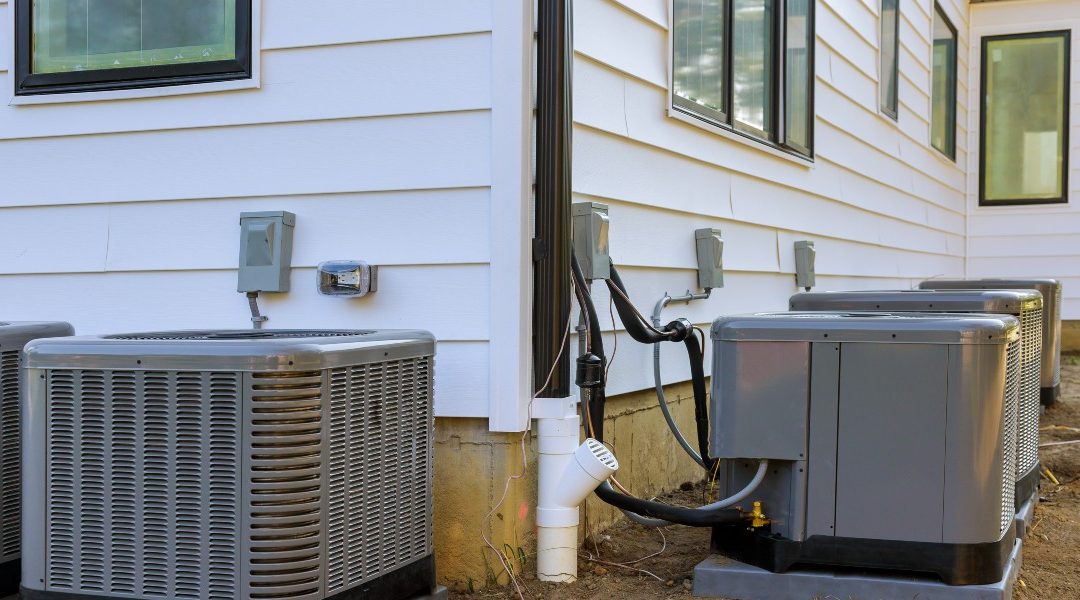
When selecting an HVAC system, it’s essential to consider factors such as the size of your home, your budget, and your specific heating and cooling needs. Different systems, including central air, ductless mini-splits, and heat pumps, offer various benefits that cater to different environments and preferences.
For instance, central air systems are ideal for larger homes with existing ductwork, while ductless mini-splits provide flexibility for homes without ducts. Consulting with HVAC professionals like those at Top Rank Heating & Air Conditioning Inc. can help you make an informed decision tailored to your unique circumstances.
Signs Your HVAC System Needs Repair
Recognizing the signs that your HVAC system requires repair can save you time and money. Common indicators include unusual noises, inconsistent temperatures, and increased energy bills. If your system is struggling to maintain a comfortable environment, it may be time to call in the experts.
Additionally, if you notice strange smells or frequent cycling on and off, these are clear signs of underlying issues that need immediate attention. Regular inspections can help identify problems early, ensuring your system operates efficiently and effectively.
Energy Efficiency Tips for HVAC Systems
Improving the energy efficiency of your HVAC system not only reduces your carbon footprint but also lowers your utility bills. Simple steps such as sealing air leaks, insulating ducts, and using programmable thermostats can significantly enhance the performance of your system.
Moreover, routine maintenance, including filter changes and system tune-ups, plays a crucial role in ensuring your HVAC system runs efficiently. At Top Rank Heating & Air Conditioning Inc., we emphasize the importance of these practices to help our clients achieve optimal energy savings.
Understanding HVAC System Components
Familiarizing yourself with the components of your HVAC system can help you better understand how it operates and when it may need servicing. Key components include the furnace, air conditioner, heat pump, ductwork, and thermostat, each playing a vital role in maintaining indoor comfort.
For example, the furnace heats air, which is then distributed through the ductwork, while the air conditioner cools the air in the summer months. Knowing how these parts work together can aid in troubleshooting issues and communicating effectively with your HVAC technician.