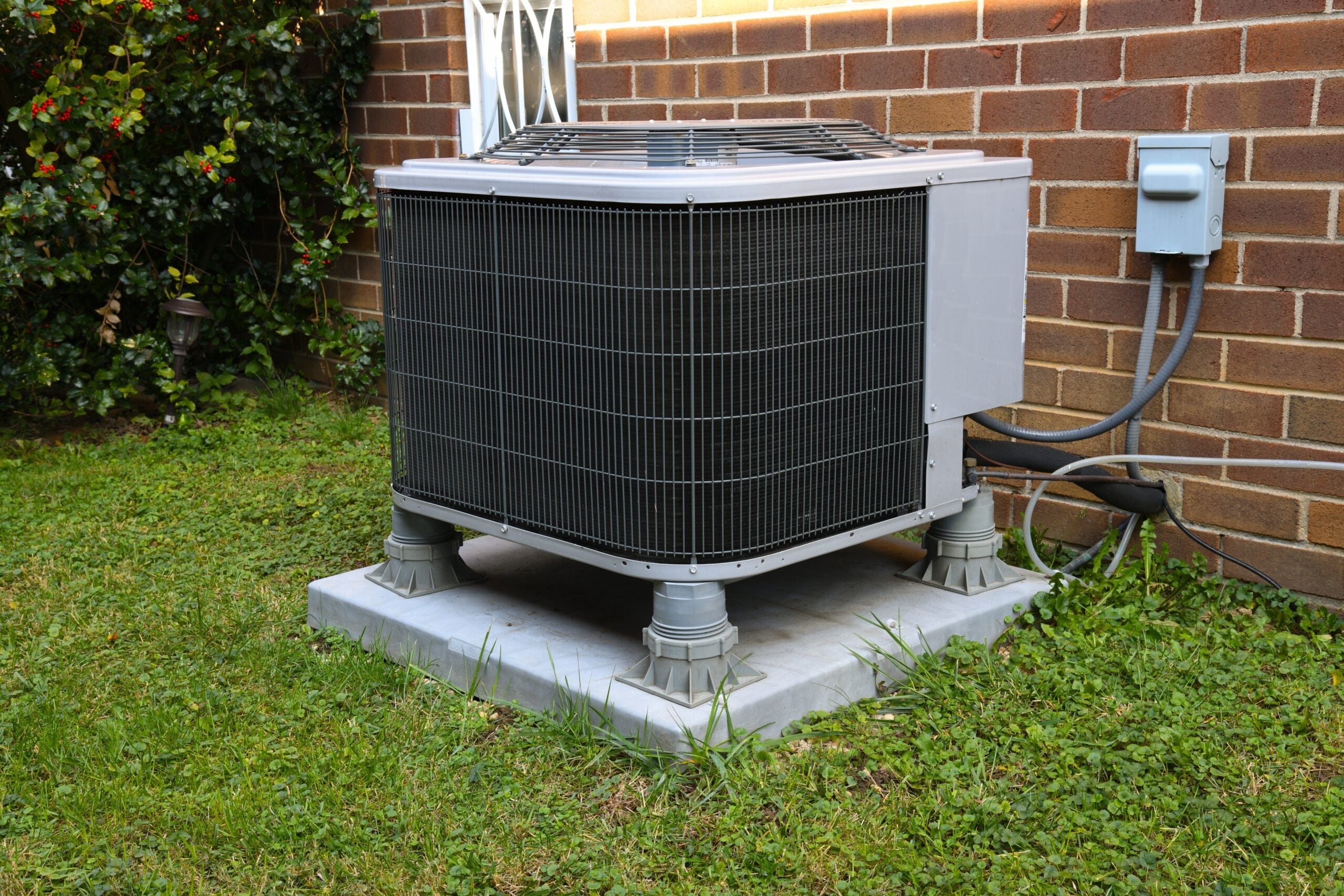
Air Conditioning Repair

Why Is My Air Conditioner Making Strange Noises?
Discover what unusual AC noises mean. Learn causes of squealing, banging, and hissing sounds. Top Rank provides expert HVAC repair in Sacramento.

Central Valley
Elk Grove / Sacramento
Central Valley
Discover what unusual AC noises mean. Learn causes of squealing, banging, and hissing sounds. Top Rank provides expert HVAC repair in Sacramento.
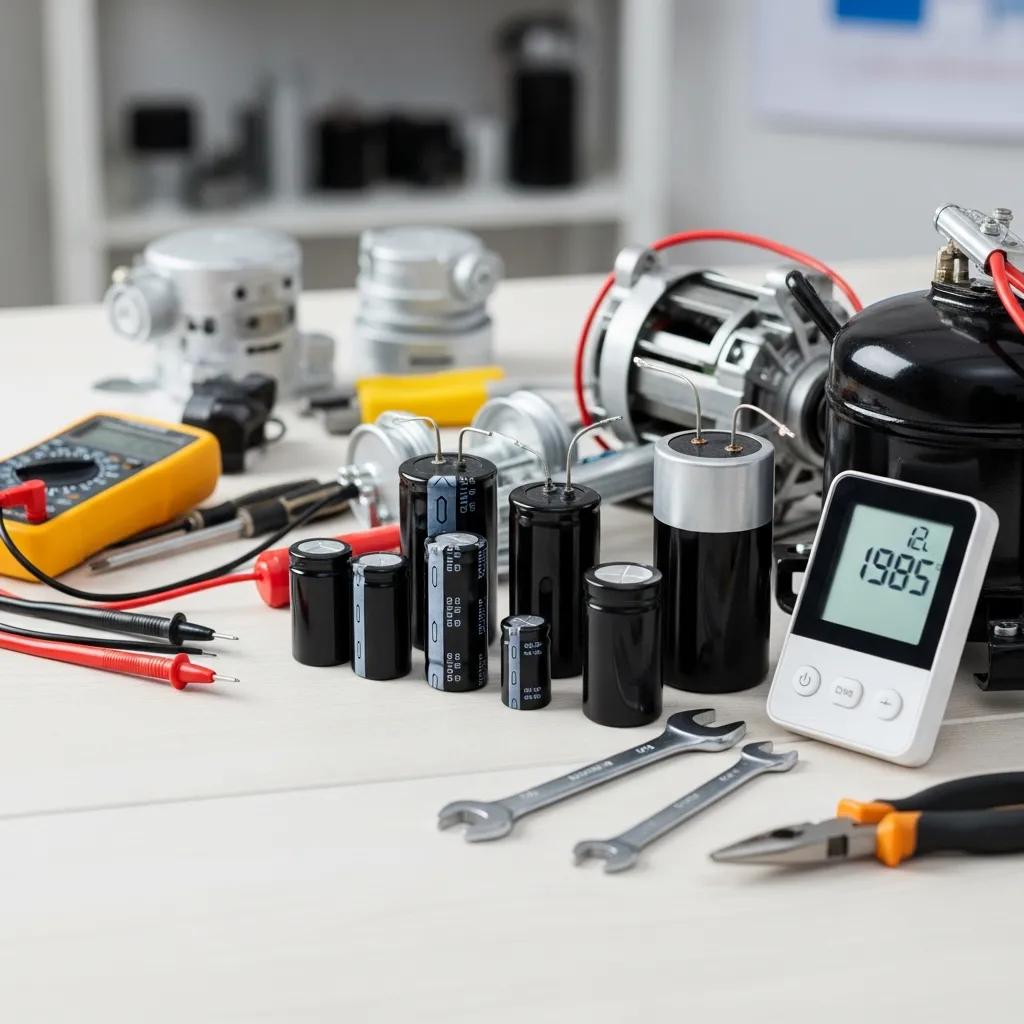
Finding budget-friendly HVAC repair in Sacramento starts with clear, local information on typical prices, emergency availability, and maintenance strategies that

Understanding the significance of detailed HVAC repair estimates empowers homeowners to make informed decisions before committing to repairs.
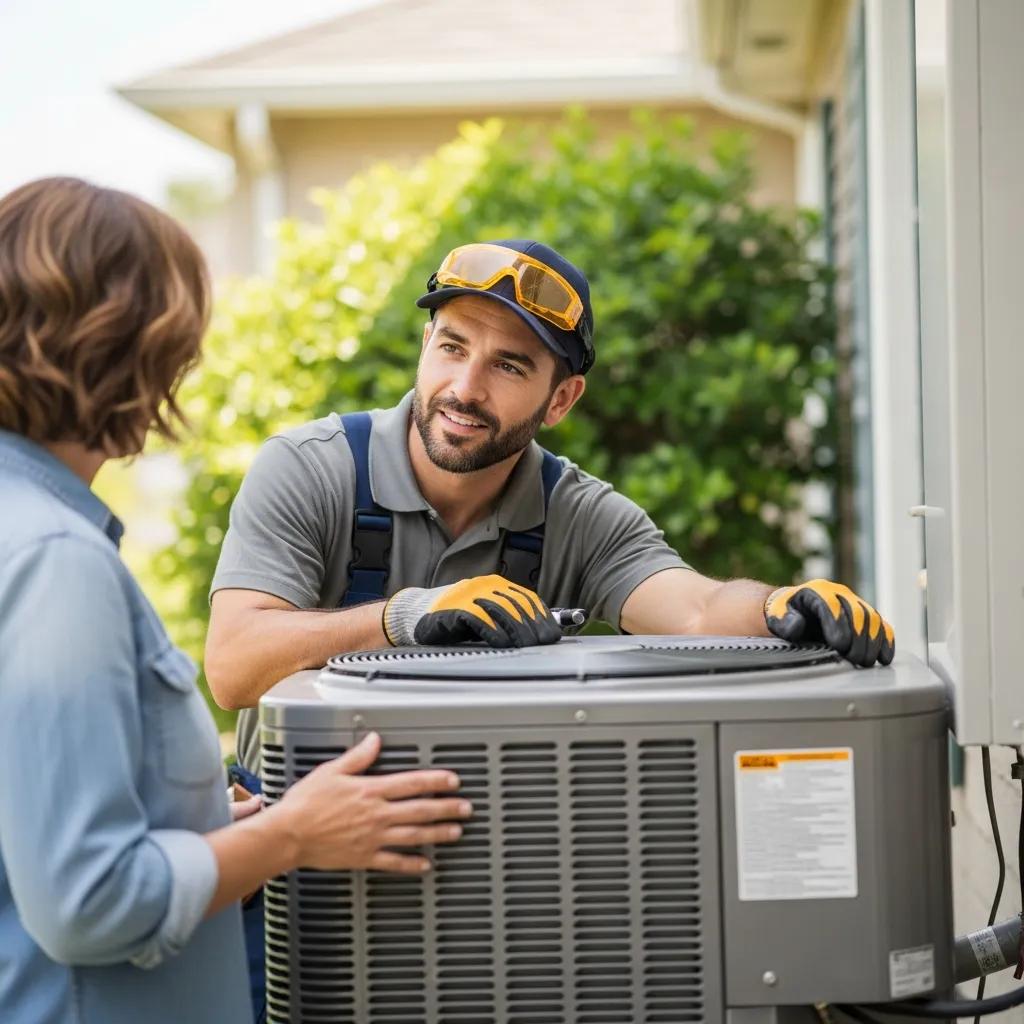
For homeowners in Sacramento, finding the best HVAC repair prices can be simple. This guide offers tips for effective price comparisons and savings.
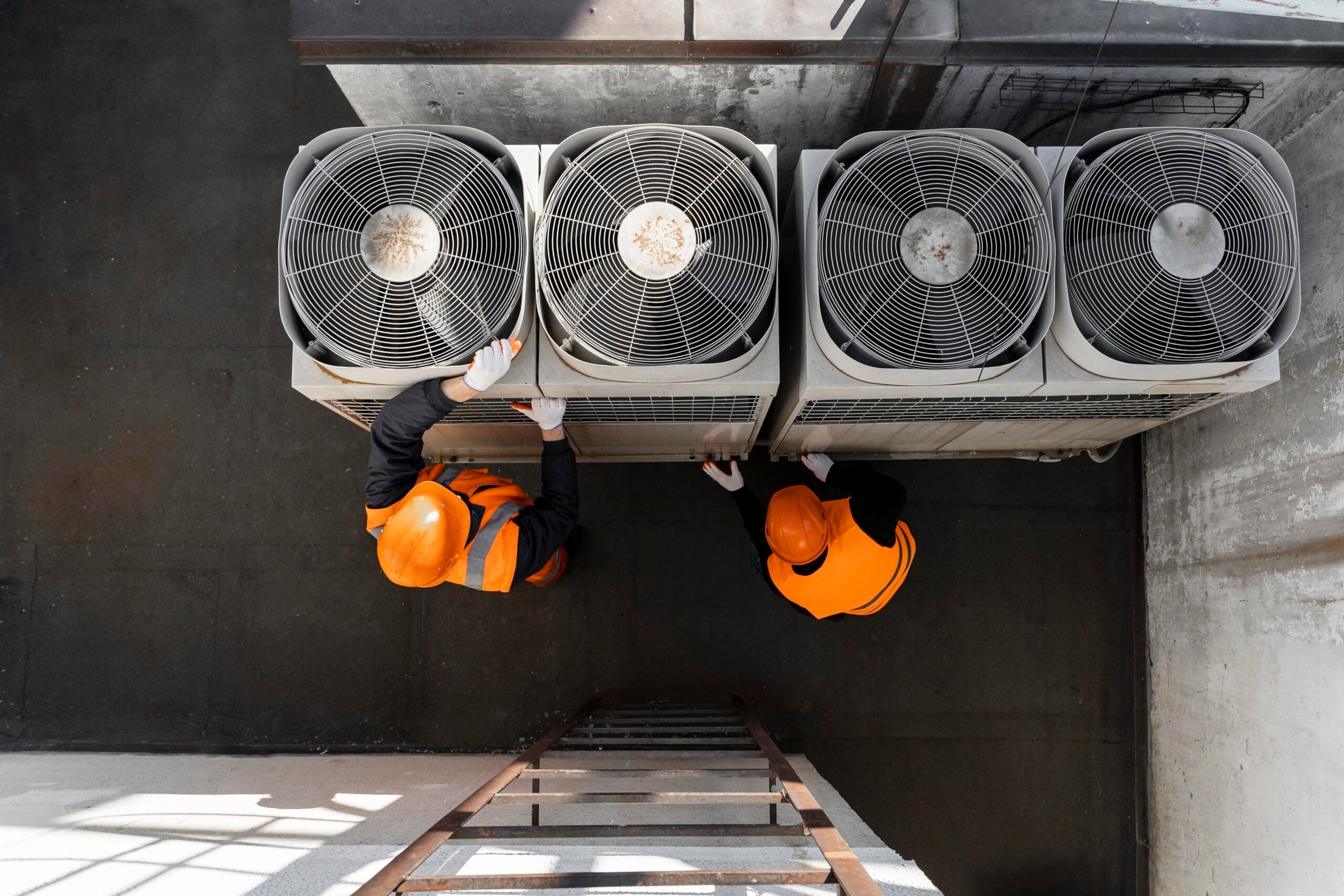
Commercial HVAC energy efficiency upgrades in Elk Grove reduce operating costs. Top Rank Heating & Air Conditioning delivers expert maintenance, repairs.

Ensure your comfort with a well-functioning AC. This guide highlights key signs Galt, CA residents should watch for, indicating it’s time for repair.
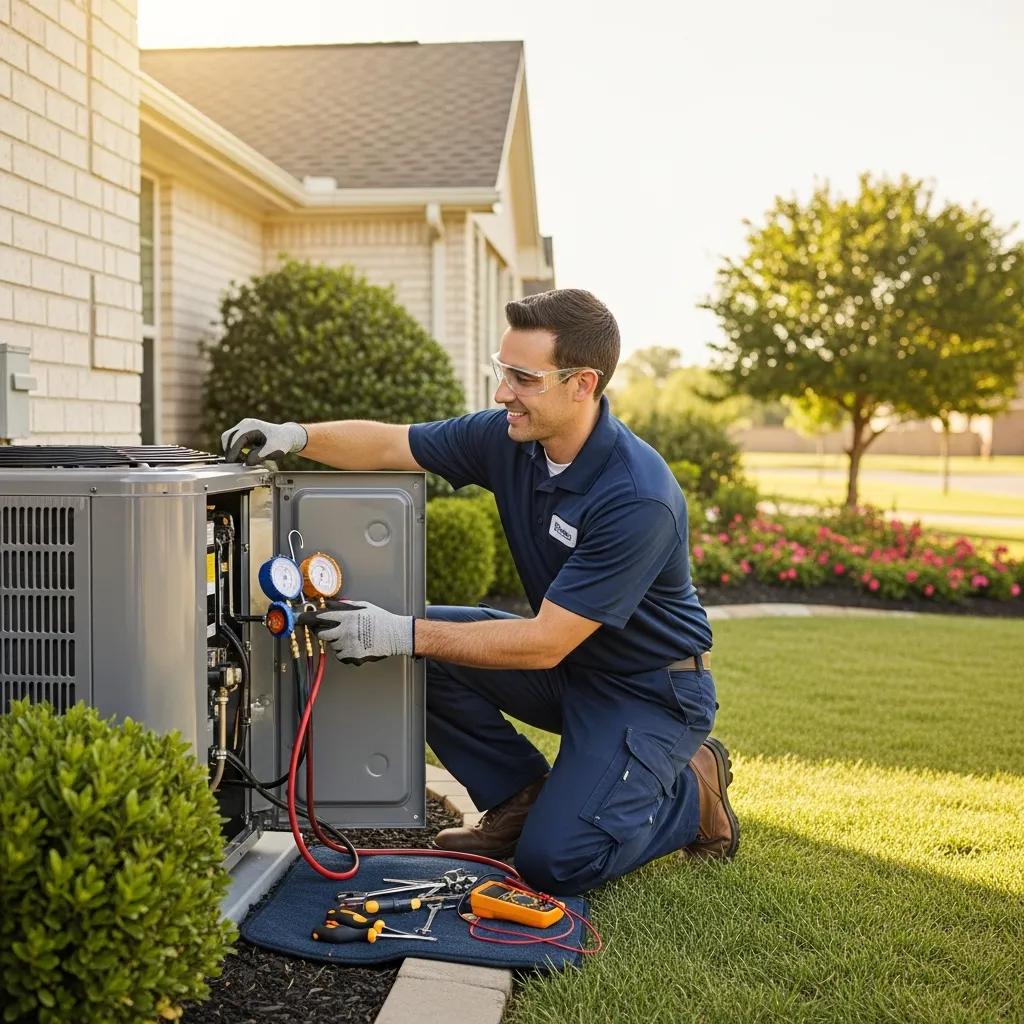
Keeping your home or business comfortable in Sacramento shouldn’t mean surprise bills or long wait times. This guide walks you

Finding affordable HVAC help in Sacramento means balancing urgent repairs with longer‑term investments in energy savings and indoor air quality
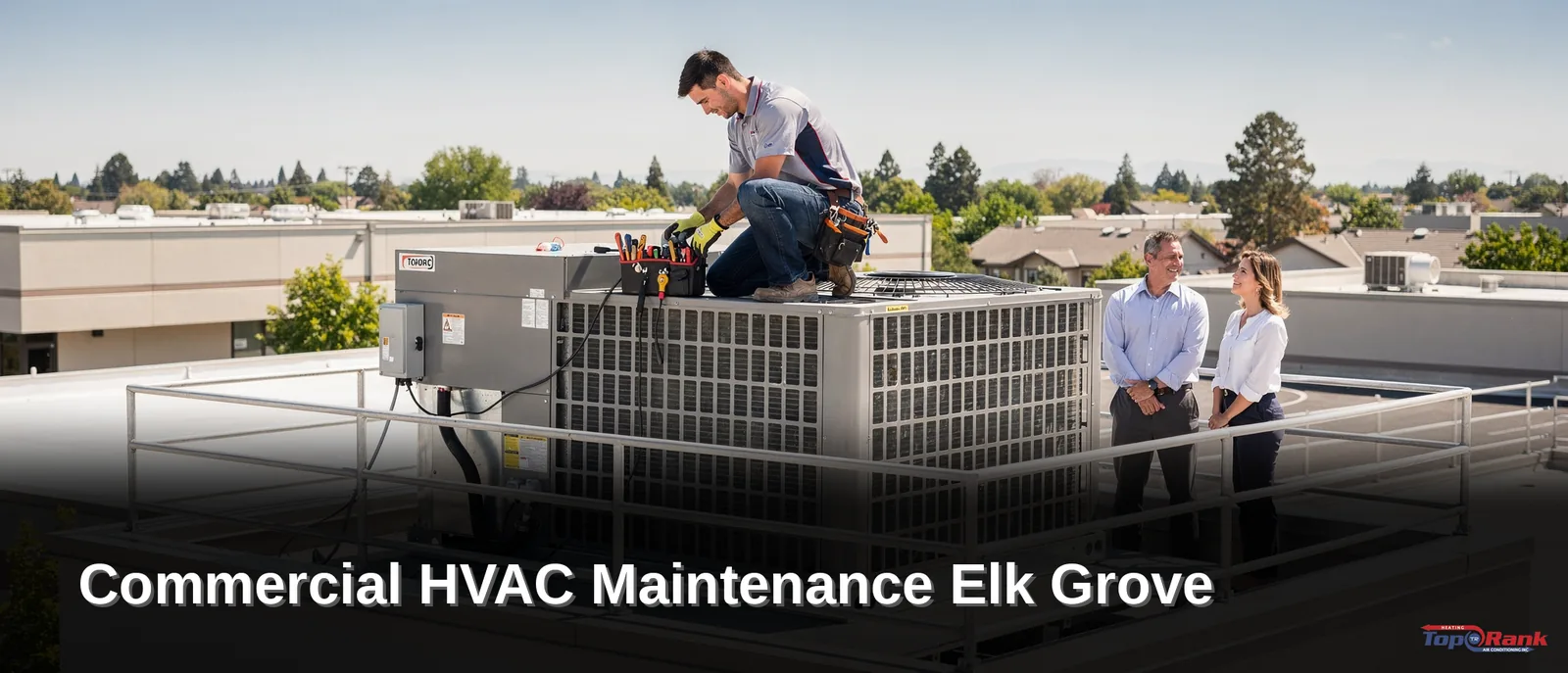
Commercial HVAC maintenance in Elk Grove protects rooftop units and furnaces from costly breakdowns. Top Rank Heating & Air delivers expert tune-ups.

Top Rank Heating & Air Conditioning delivers expert AC repair, installation, and maintenance in Lodi, California with 24/7 emergency support and transparent.
Homeowners in Galt, CA, should be aware of common air conditioning issues. Learn what to watch for to ensure efficient cooling and comfort year-round.
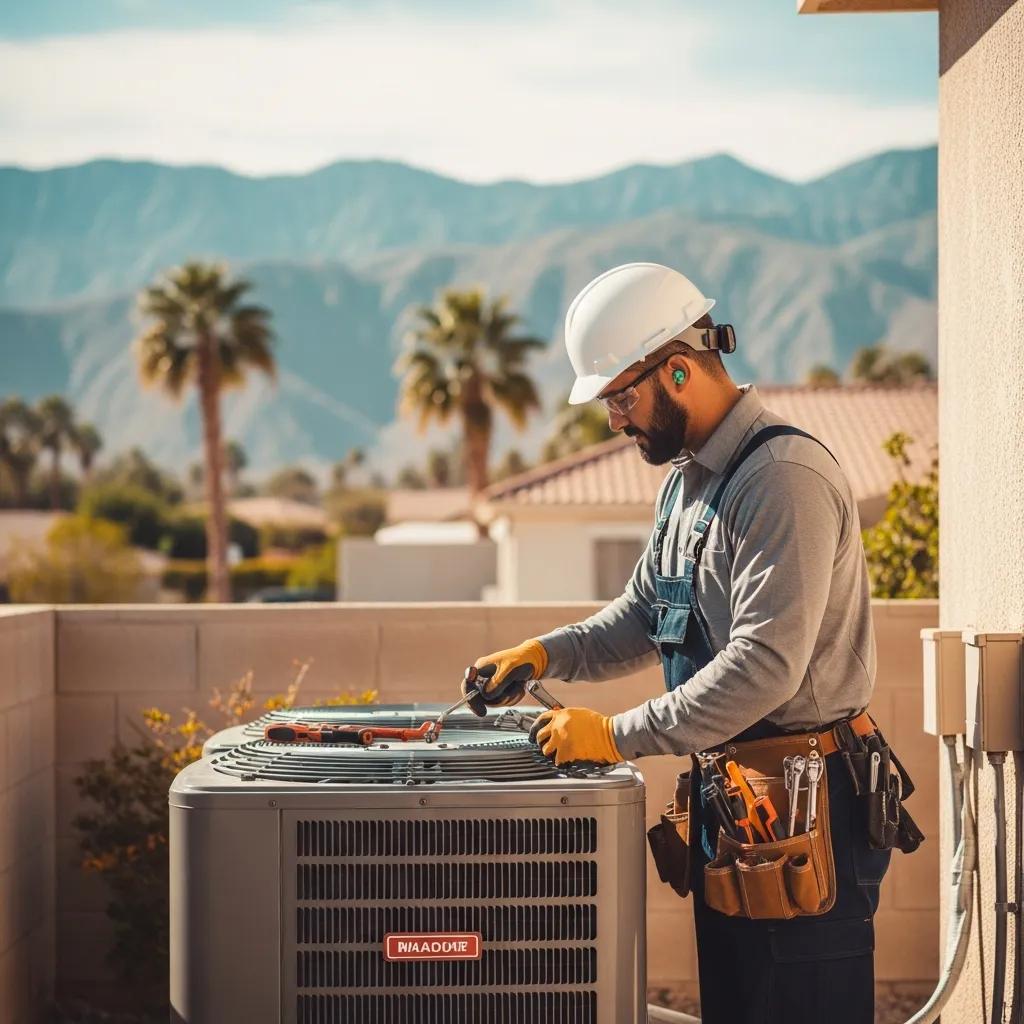
Trust local HVAC professionals for reliable service and quality workmanship. Ensure comfort in your home with experienced experts ready to assist you.