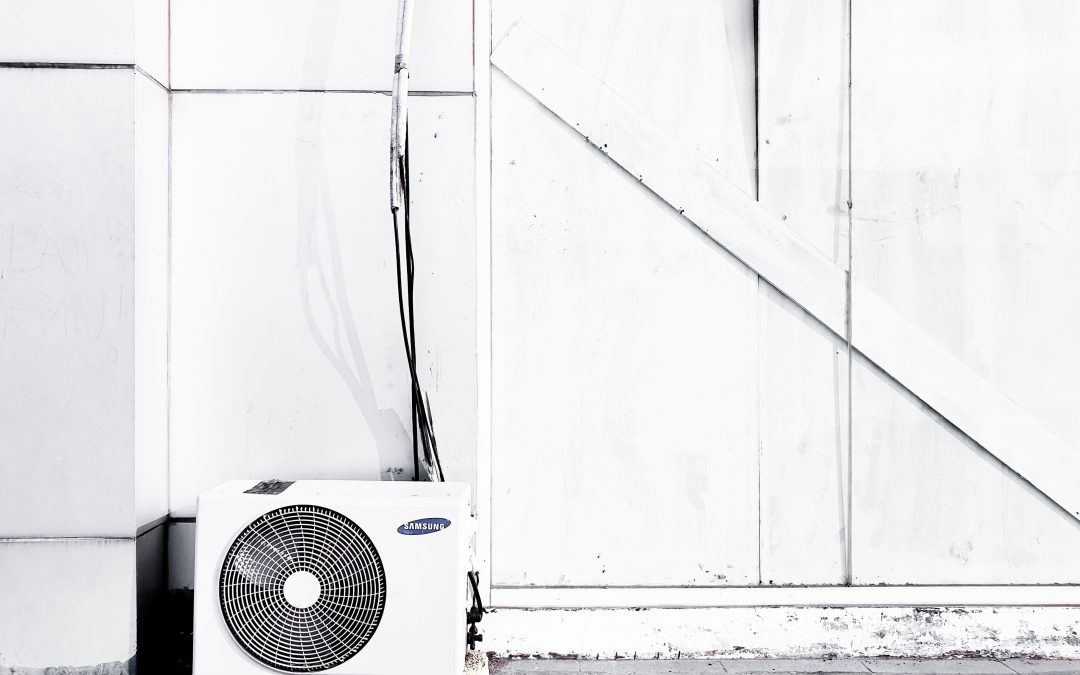
Benefits of Regular HVAC Maintenance
Regular HVAC maintenance is essential for ensuring the longevity and efficiency of your heating and cooling systems. By scheduling routine check-ups, you can prevent unexpected breakdowns and maintain optimal performance, which ultimately leads to lower energy bills and a more comfortable environment.
Moreover, regular maintenance allows for early detection of potential issues, saving you from costly repairs down the line. For instance, cleaning or replacing filters can improve air quality and system efficiency, while checking refrigerant levels can prevent compressor failure. These proactive measures contribute significantly to the overall health of your HVAC system.
Common HVAC Problems and Solutions
Understanding common HVAC problems can help homeowners take timely action and avoid major inconveniences. Issues such as inadequate heating or cooling, strange noises, or frequent cycling can indicate underlying problems that need attention.
For example, if your system is blowing warm air, it may be due to a dirty air filter or a malfunctioning thermostat. Similarly, strange noises could point to loose components or a failing motor. Being aware of these issues allows homeowners to seek professional help promptly, ensuring their HVAC systems operate efficiently.
Energy Efficiency Tips for Your HVAC System
Improving the energy efficiency of your HVAC system not only reduces your utility bills but also minimizes your environmental impact. Simple adjustments, such as setting your thermostat a few degrees higher in summer and lower in winter, can lead to significant savings.
Additionally, sealing ducts and ensuring proper insulation in your home can prevent conditioned air from escaping, further enhancing efficiency. Investing in a programmable thermostat or high-efficiency HVAC units can also yield long-term benefits, making your home more comfortable while saving energy.
Understanding HVAC System Components
To make informed decisions about your HVAC system, it's crucial to understand its key components. These include the furnace, air conditioner, heat pump, ductwork, and thermostat, each playing a vital role in maintaining indoor comfort.
For instance, the furnace heats the air, while the air conditioner cools it. The thermostat controls temperature settings, and the ductwork distributes the air throughout your home. Familiarizing yourself with these components can help you recognize when something is amiss and when to call for professional assistance.