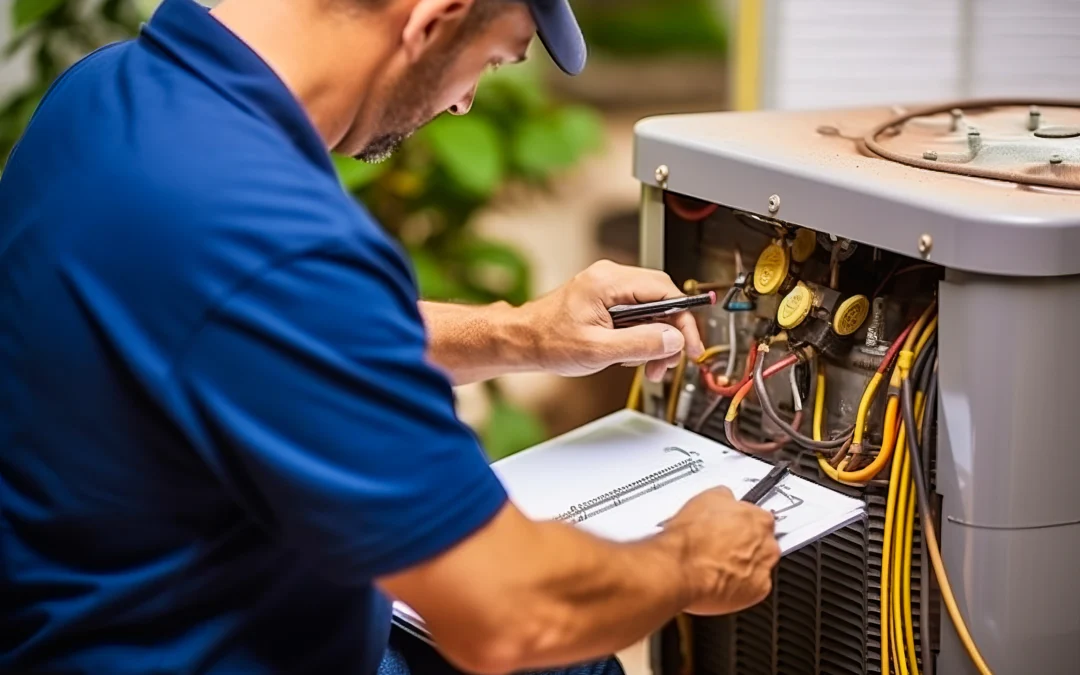
Understanding HVAC Installation Processes
HVAC installation involves a series of meticulous steps to ensure optimal performance and efficiency of the system. From assessing the size of the space to selecting the right equipment, each stage is crucial for achieving desired indoor climate control.
During the installation process, professionals will evaluate factors such as insulation, ductwork, and electrical requirements. For example, a properly sized air conditioning unit can significantly reduce energy consumption, while an efficient furnace installation can enhance heating effectiveness, ensuring comfort throughout the year.
Signs You Need HVAC Repair Services
Recognizing the signs that your HVAC system requires repair is essential for maintaining a comfortable environment. Common indicators include unusual noises, inconsistent temperatures, and increased energy bills, which can signal underlying issues that need immediate attention.
For instance, if you notice your system is cycling on and off frequently, it may indicate a problem with the thermostat or ductwork leaks. Addressing these issues promptly with professional repair services can prevent further damage and costly replacements down the line.
Energy Efficiency and HVAC Systems
Energy efficiency is a critical consideration when selecting and maintaining HVAC systems. Efficient systems not only reduce energy consumption but also contribute to lower utility bills and a smaller carbon footprint, making them an environmentally friendly choice.
Upgrading to ENERGY STAR-rated units or optimizing existing systems through regular maintenance can lead to significant energy savings. For example, replacing old filters and ensuring proper insulation can enhance airflow and efficiency, ultimately providing a more sustainable indoor climate solution.
Choosing the Right HVAC System for Your Home
Selecting the appropriate HVAC system for your home involves understanding your specific needs, including the size of your space, local climate, and personal preferences. With various options available, from central air systems to ductless mini-splits, making an informed choice is essential.
Consulting with HVAC professionals can help you assess your requirements and recommend the best solutions. For instance, a central air system may be ideal for larger homes, while ductless systems offer flexibility and efficiency for smaller spaces or areas without existing ductwork.