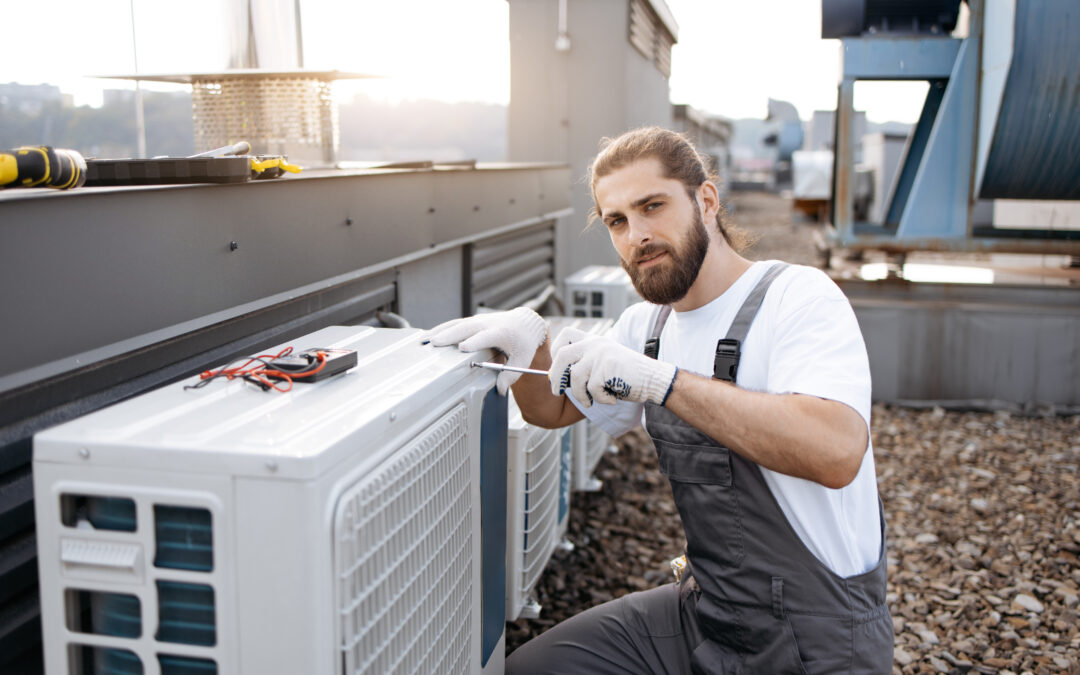
Importance of Regular HVAC Maintenance
Regular maintenance of your HVAC system is essential for ensuring its longevity and efficiency. By scheduling routine check-ups, homeowners can prevent unexpected breakdowns and costly repairs, ultimately leading to a more comfortable living environment.
Maintenance tasks typically include cleaning or replacing air filters, checking refrigerant levels, and inspecting ductwork for leaks. For instance, a well-maintained system can operate up to 15% more efficiently, translating to significant savings on energy bills over time.
Common HVAC Installation Mistakes to Avoid
Many homeowners make critical mistakes during HVAC installation that can lead to inefficiencies and increased costs. Understanding these common pitfalls is vital for ensuring that your system operates effectively from the start.
For example, improper sizing of the HVAC unit can result in inadequate heating or cooling, leading to discomfort and higher energy consumption. Additionally, incorrect ductwork installation can cause air leaks, further diminishing system efficiency. Ensuring professional installation helps mitigate these risks.
Energy Efficiency Ratings and What They Mean
Energy efficiency ratings, such as SEER (Seasonal Energy Efficiency Ratio) and AFUE (Annual Fuel Utilization Efficiency), are crucial indicators of how well an HVAC system performs. Understanding these ratings can help homeowners make informed decisions when choosing a new system.
A higher SEER rating indicates a more efficient air conditioning system, which can lead to significant savings on energy costs. For instance, systems with a SEER rating of 16 or higher are considered energy-efficient and can save homeowners hundreds of dollars annually compared to lower-rated models.
Signs You Need to Replace Your HVAC System
Recognizing the signs that it's time to replace your HVAC system can save you from discomfort and increased energy costs. Homeowners should be aware of several indicators that suggest their system may no longer be functioning optimally.
Common signs include frequent breakdowns, rising energy bills, and uneven heating or cooling throughout the home. If your system is over 10 years old and showing these symptoms, it may be more cost-effective to invest in a new, energy-efficient model rather than continuing to repair an outdated system.