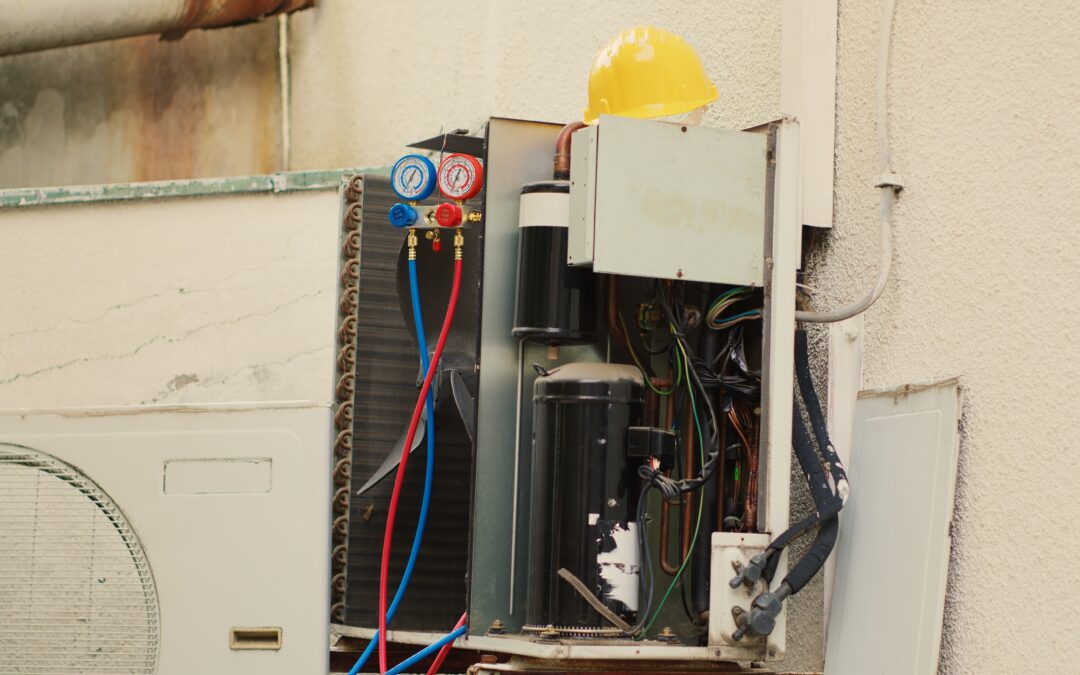
Benefits of Regular Furnace Maintenance
Regular furnace maintenance is essential for ensuring the longevity and efficiency of your heating system. By scheduling routine check-ups, homeowners can catch potential issues early, preventing costly repairs and ensuring the furnace operates at peak performance during the cold months.
During maintenance, technicians perform a thorough inspection, clean critical components, and replace worn parts. This proactive approach not only enhances energy efficiency but also contributes to safer operation, reducing the risk of hazardous malfunctions. For instance, a well-maintained furnace can save homeowners up to 30% on energy bills compared to one that is neglected.
Choosing the Right Furnace for Your Home
Selecting the appropriate furnace for your home involves considering several factors, including size, fuel type, and efficiency ratings. A furnace that is too small will struggle to heat your space, while one that is too large can lead to energy waste and uneven heating.
Homeowners should evaluate their heating needs based on square footage, insulation quality, and local climate. Additionally, understanding different fuel types—such as gas, electric, or oil—and their respective efficiency ratings can help in making an informed decision. Consulting with a professional can provide valuable insights tailored to your specific requirements.
Signs Your Furnace Needs Replacement
Recognizing the signs that your furnace may need replacement can save you from unexpected breakdowns and higher energy costs. Common indicators include frequent repairs, rising energy bills, and inconsistent heating throughout your home.
Other warning signs include unusual noises, such as banging or whistling, and a noticeable increase in dust and allergens in your indoor air. If your furnace is over 15 years old and showing these symptoms, it may be time to consider a replacement for improved efficiency and comfort.
Understanding Furnace Efficiency Ratings
Furnace efficiency ratings, such as AFUE (Annual Fuel Utilization Efficiency), are crucial for homeowners seeking to minimize energy costs and environmental impact. A higher AFUE rating indicates a more efficient furnace, which translates to lower energy consumption and reduced utility bills.
For example, a furnace with an AFUE rating of 90% converts 90% of its fuel into heat, while the remaining 10% is lost. Investing in a high-efficiency model can significantly impact long-term savings and contribute to a more sustainable home environment.