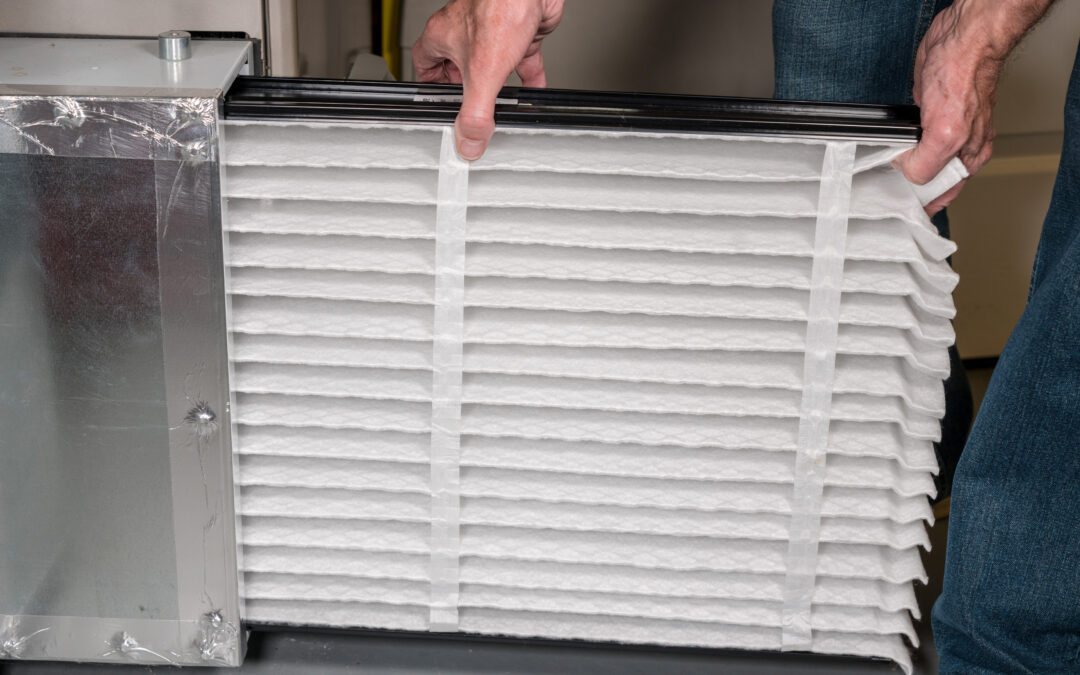
Types of HVAC Filters and Their Benefits
Understanding the different types of HVAC filters is crucial for selecting the right one to improve indoor air quality. Common types include HEPA filters, which are highly effective at trapping small particles, fiberglass filters that provide basic filtration, and pleated filters that offer a balance between cost and performance.
Each filter type serves a unique purpose. For example, HEPA filters can capture up to 99.97% of particles as small as 0.3 microns, making them ideal for allergy sufferers. In contrast, fiberglass filters are more affordable and suitable for basic dust removal but may not be as effective against smaller pollutants. Choosing the right filter can significantly enhance your home's air quality and overall comfort.
Signs You Need to Change Your HVAC Filter
Regularly changing your HVAC filter is essential for maintaining optimal air quality and system efficiency. Signs that indicate it's time for a change include reduced airflow, increased energy bills, and visible dust accumulation around vents. If you notice these signs, it's crucial to address the issue promptly.
Moreover, if you or your family members experience heightened allergy symptoms or respiratory issues, it may be time to replace the filter. Filters should generally be changed every 1-3 months, depending on usage and the type of filter installed. Keeping track of these indicators ensures your HVAC system operates efficiently while providing clean air in your home.
The Role of HVAC Maintenance in Air Quality
Routine HVAC maintenance plays a vital role in ensuring indoor air quality remains high. Regular inspections and servicing can identify potential issues, such as dirty filters or malfunctioning components, before they escalate into major problems. This proactive approach not only enhances air quality but also extends the lifespan of your HVAC system.
During maintenance, technicians can clean ducts, check for leaks, and replace filters, which all contribute to better air quality. Additionally, a well-maintained system operates more efficiently, reducing energy consumption and costs. Investing in regular HVAC maintenance is essential for a healthy living environment and long-term savings.
How Indoor Air Quality Affects Health
Indoor air quality (IAQ) significantly impacts overall health and well-being. Poor IAQ can lead to various health issues, including respiratory problems, allergies, and even long-term conditions such as asthma. Understanding the sources of indoor pollution and how they affect health is crucial for making informed decisions about HVAC systems and air quality management.
Common indoor pollutants include dust, mold, and volatile organic compounds (VOCs), which can originate from household products, building materials, and even furniture. By improving IAQ through proper filtration and ventilation, homeowners can reduce health risks and create a more comfortable living space. Awareness of these factors empowers individuals to take action towards a healthier home environment.