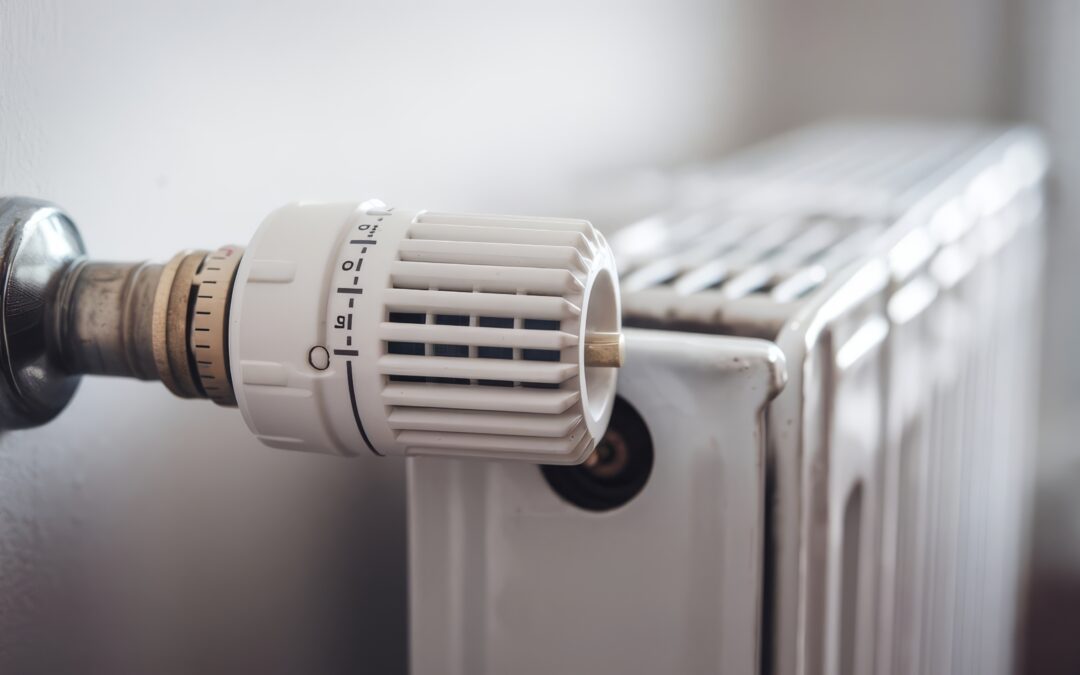
Types of Energy-Efficient Heating Systems
Energy-efficient heating systems come in various types, each designed to meet specific needs and preferences. Common options include heat pumps, which transfer heat rather than generate it, and high-efficiency furnaces that use advanced technology to minimize energy consumption while maximizing heat output.
For example, a central heat pump can efficiently heat an entire home by extracting warmth from the outside air, even in colder temperatures. Similarly, high-efficiency furnaces can achieve AFUE (Annual Fuel Utilization Efficiency) ratings of over 90%, meaning they convert more than 90% of the fuel used into heat, significantly reducing energy bills and environmental impact.
Energy-Saving Tips for Homeowners
Homeowners can implement several energy-saving tips to enhance the efficiency of their heating systems. Simple actions such as sealing drafts around windows and doors, using programmable thermostats, and regularly changing air filters can lead to substantial energy savings and improved comfort.
Additionally, investing in insulation upgrades can prevent heat loss, making your heating system work more efficiently. For instance, adding insulation to attics or crawl spaces can significantly reduce heating costs by keeping warm air inside during winter months.
Understanding HVAC Terminology
To make informed decisions about heating systems, it's essential to understand common HVAC terminology. Terms like AFUE, BTU (British Thermal Unit), and SEER (Seasonal Energy Efficiency Ratio) are crucial for evaluating the efficiency and performance of heating systems.
For example, AFUE measures the efficiency of gas furnaces, while BTU indicates the amount of heat produced. Understanding these terms helps homeowners compare different systems and choose the best option for their specific heating needs.
The Importance of Professional Installation
Professional installation of heating systems is critical to ensuring optimal performance and longevity. A qualified technician can assess your home's unique requirements and recommend the most suitable system, ensuring it is installed correctly for maximum efficiency.
Moreover, improper installation can lead to issues such as inefficient operation, increased energy costs, and even potential safety hazards. By investing in professional installation, homeowners can enjoy peace of mind knowing their heating system operates safely and effectively.