Energy Efficiency Ratings Explained
Understanding energy efficiency ratings is crucial when selecting a high-efficiency furnace. These ratings, often represented as Annual Fuel Utilization Efficiency (AFUE), indicate how effectively a furnace converts fuel into heat. A higher AFUE rating means better energy efficiency, which translates to lower energy bills and reduced environmental impact.
For instance, a furnace with an AFUE of 95% converts 95% of its fuel into heat, while only 5% is lost. This efficiency not only saves money but also contributes to a more sustainable home. Homeowners should look for furnaces with at least a 90% AFUE rating to maximize their energy savings and comfort.
Common Myths About High-Efficiency Furnaces
There are several myths surrounding high-efficiency furnaces that can mislead homeowners. One common misconception is that high-efficiency systems are significantly more expensive to maintain than traditional models. In reality, while they may have a higher upfront cost, their energy savings and reliability often offset maintenance expenses over time.
Another myth is that high-efficiency furnaces are only beneficial in colder climates. However, even in moderate climates, these systems can provide substantial comfort and savings. By debunking these myths, homeowners can make more informed decisions about their heating options.
Comparing Different Types of Furnaces
When considering a new furnace, it's essential to compare the different types available, including gas, electric, and oil furnaces. Each type has its advantages and disadvantages, depending on factors like energy costs, availability of fuel, and environmental impact. Gas furnaces are typically more efficient and cost-effective in areas where natural gas is available.
Electric furnaces, while often less expensive to install, can lead to higher energy bills in regions with high electricity costs. Oil furnaces, though less common, can be a viable option in rural areas. Understanding the differences helps homeowners choose the best system for their specific needs and circumstances.
The Importance of Professional Installation
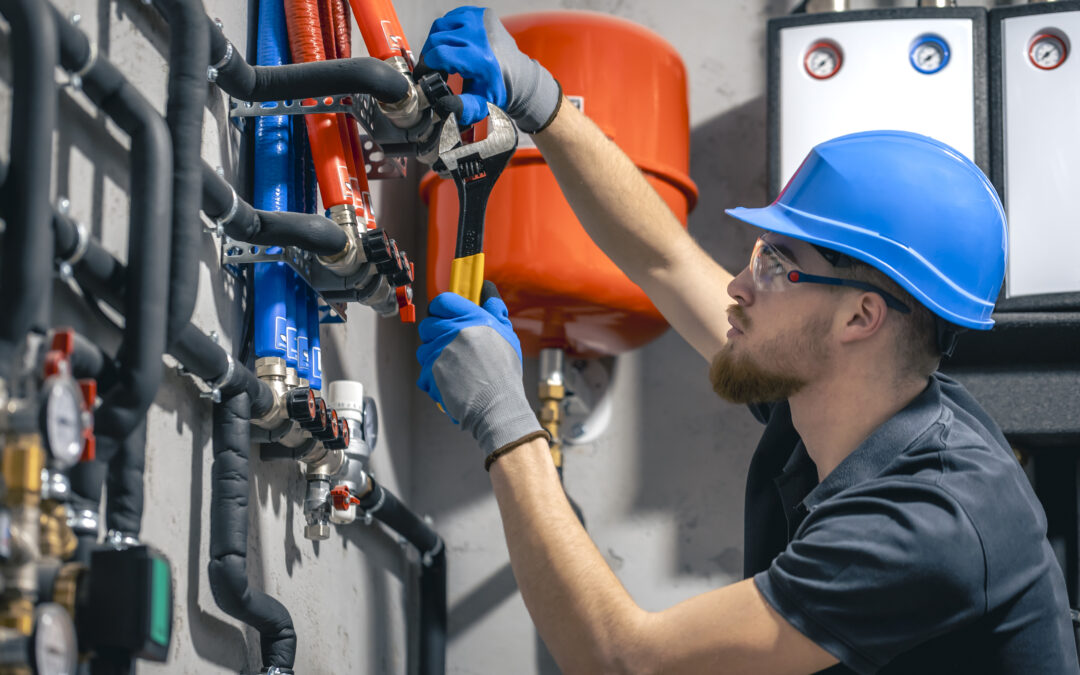
Professional installation is critical for maximizing the performance and efficiency of a high-efficiency furnace. A qualified technician ensures that the furnace is properly sized, installed, and configured to meet the home's heating requirements. Incorrect installation can lead to reduced efficiency and increased energy costs.
Moreover, professional installers can provide valuable insights into maintenance and best practices for operating the furnace. They can also help identify any existing issues with your home’s ductwork or insulation that could affect heating performance, ensuring that homeowners receive the full benefits of their investment.