Top-Rated Energy-Efficient HVAC Systems for Modern Homes
Energy‑saving HVAC systems cut household energy use by moving heat more efficiently, improving controls, and recovering energy from ventilation. This guide walks you through how modern heat pumps, high‑SEER equipment, smart thermostats, ductless mini-splits, and advanced components lower kilowatt‑hours and shrink utility bills in 2026. For Northern California homeowners, these upgrades can reduce costs, boost comfort, and help you qualify for local and federal incentives — while improving indoor air quality and resilience. We cover which heat pump types work best here, why SEER matters and how to compare units, smart thermostat benefits and integrations, when ductless mini-splits make sense, available rebates, and advanced tech like variable‑speed compressors and ERV systems. Throughout, we focus on practical selection steps, measurable savings, and maintenance tips so you can decide with confidence. (Keywords such as best energy saving HVAC systems, energy‑efficient HVAC systems, heat pump efficiency 2026, and HVAC rebates Sacramento are woven into the comparisons.)
Which Heat Pumps Offer the Best Energy Efficiency for Homes in 2026?
Heat pumps move heat instead of creating it, so a small amount of electricity can transfer several units of warmth — which is why air‑source, ductless mini‑splits, and other advanced systems are the top energy‑saving choices. In Northern California’s mild climate, air‑source and ductless mini‑splits usually give excellent seasonal COPs and HSPF ratings, while ductless mini-splits offer flexible installation and zoned control benefits. Those efficiency differences show up as lower operating costs and better long‑term return on investment, and they interact with rebates and tax credits that speed payback. Below is a quick comparison to help you scan efficiency, climate fit, and typical local savings at a glance.
This table compares representative heat pump types, their efficiency metrics, and practical values for a Central Valley / Sacramento climate.
| Heat Pump Type | Typical Efficiency Metrics | Climate Suitability & Estimated Annual Electricity Savings |
|---|---|---|
| Air‑Source Heat Pump (split) | SEER 16–24, HSPF 8–11, COP 2.5–4.0 | Good for mild climates; 20–35% lower heating/cooling energy vs older AC/furnace combos |
| Ductless Mini‑Split | SEER 18–30, HSPF 9–12, COP 3.0–4.5 | Ideal for retrofits and zoned control; 25–40% savings and reduced duct losses |
| Variable-Speed Heat Pump System | SEER 20–28, HSPF 10–13, COP 3.5–4.5 | Excellent for variable load climates; 30–45% energy savings with precise capacity modulation |
In short: air‑source and ductless units work well across much of Northern California, while variable-speed heat pump systems offer enhanced efficiency and comfort through advanced modulation technology. Knowing these tradeoffs helps you pick the option that fits your site and budget.
What Are Air‑Source Heat Pumps and How Do They Save Energy?
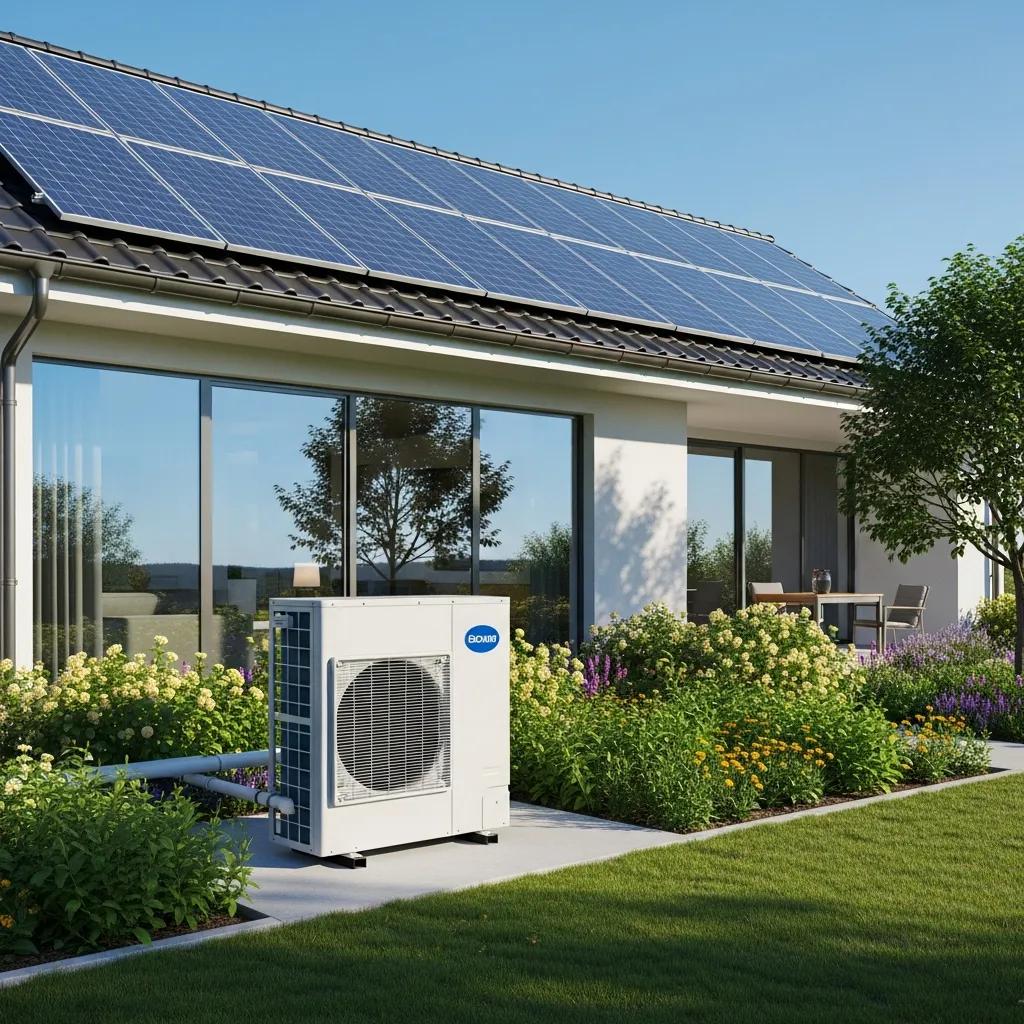
Air‑source heat pumps move heat between indoor and outdoor air using a refrigerant loop, so electricity is used to transfer thermal energy rather than to produce heat directly. That approach yields higher effective efficiency — measured as SEER for cooling and HSPF or COP for heating — especially when outdoor temperatures stay in the equipment’s efficient range. Models with inverter‑driven, variable‑speed compressors hold steady indoor temperatures, cut cycling losses, and improve comfort. In the Sacramento area, a correctly sized air‑source unit with good ductwork and a smart thermostat can meaningfully lower seasonal bills and often qualify for ENERGY STAR or utility incentives. Proper installation and routine maintenance keep the system performing as rated and maximize savings.
What Are Variable-Speed Heat Pump Systems and Their Benefits?
Variable-speed heat pump systems use inverter-driven compressors that adjust their speed to match the heating or cooling load precisely. This modulation reduces energy waste from frequent starts and stops, improves part-load efficiency, and maintains more consistent indoor temperatures. These systems can deliver SEER ratings above 20 and HSPF ratings above 10, making them highly efficient for climates with variable heating and cooling demands. The precise control also enhances humidity management and comfort. While upfront costs are higher than standard units, the energy savings and improved comfort often justify the investment, especially when combined with smart thermostats and proper installation.
How Do High SEER HVAC Units Improve Home Energy Savings?
High SEER units cut cooling energy by running more efficiently across a range of loads, which lowers kilowatt‑hour use during the cooling season and gives steadier indoor temperatures. SEER (Seasonal Energy Efficiency Ratio) is the season’s cooling output divided by energy input; higher SEER means more cooling per unit of electricity and lower operating costs. Each step up in SEER usually reduces annual cooling energy by a predictable amount, depending on climate and habits, and pairing a high‑SEER outdoor unit with variable‑speed indoor components increases savings. Homeowners should compare upfront cost to projected energy savings and local incentives to pick the right SEER level. The table below gives a quick reference for a Sacramento‑like climate.
Before the table: this compact, calculator‑style comparison shows relative savings only — actual bills depend on home size, insulation, thermostat settings, and local rates.
| Unit Example | SEER Rating | Estimated Annual Cooling Cost Change vs SEER 13 |
|---|---|---|
| Entry‑level efficient | SEER 14–15 | ~5–10% lower annual cooling cost |
| Mid‑high efficiency | SEER 17–20 | ~15–25% lower annual cooling cost |
| Ultra‑high efficiency | SEER 21–25+ | ~25–40% lower annual cooling cost |
Moving from older SEER levels to modern mid‑ or high‑SEER units can noticeably cut seasonal bills, and those percent savings grow when combined with smart thermostats or better insulation.
What Is SEER and Why Is a High SEER Rating Important?
SEER measures seasonal cooling efficiency by dividing seasonal cooling output (BTUs) by electrical energy input (watt‑hours), making it easy to compare air conditioner and heat pump cooling performance. A higher SEER means more cooling for each kilowatt‑hour, which lowers monthly costs during hot months. The real‑world value of higher SEER depends on local cooling degree days, electricity rates, and how well the system is matched and installed; even in Northern California’s moderate summers, higher SEER can pay off as peak temperatures rise. Tradeoffs include higher purchase price and sometimes more complex controls, but paired with variable‑speed compressors and good ductwork, higher SEER often gives faster payback. Choose a SEER target using a simple payback calculation that includes incentives and expected usage.
Comparing Top High SEER HVAC Brands and Models for Residential Use
High SEER residential models combine inverter compressors, multi‑stage modulation, and improved heat exchangers to reach SEER 20+ without sacrificing reliability. When you compare brands and models, check SEER and HSPF ratings, variable‑speed capability, warranty terms, refrigerant type, and local installer support for service and commissioning. Also confirm component compatibility — matching indoor air handlers, coil types, and smart thermostat integration unlocks full benefits. For most homeowners, choosing a variable‑speed inverter model and a reputable local installer gives the best balance of efficiency and long‑term performance. Ask installers about eco‑friendly refrigerants and factory controls to future‑proof your system.
What Are the Benefits of Smart Thermostats for Energy Savings at Home?
Smart thermostats cut HVAC energy by learning your routine, enabling precise setback schedules, and offering remote control and energy reports that encourage efficient habits. They use adaptive algorithms and geofencing to avoid heating or cooling an empty house while keeping comfort when you return. When integrated with zoning, smart vents, and variable‑speed equipment, a smart thermostat can manage system capacity for efficiency and humidity control — useful in multi‑story or mixed‑use homes. Smart thermostats also deliver energy reports and alerts that surface issues like short cycling or excessive run times, helping you keep the system efficient over time. The benefits are largest when the thermostat is professionally commissioned and paired with efficient equipment.
In plain terms, smart thermostats provide:
- Learning Schedules: They adapt to your routine to cut runtime.
- Remote Control & Geofencing: Adjust settings from anywhere and automate away modes.
- Energy Reports & Alerts: Practical data to reduce consumption and spot problems.
Used correctly, these features translate into real percentage reductions in heating and cooling energy; proper setup increases what you actually save.
Which Smart Thermostat Features Maximize Energy Efficiency?
Key features that boost savings include adaptive learning that predicts optimal schedules, occupancy sensing and geofencing to avoid conditioning empty homes, remote temperature and humidity control, and integration with multi‑zone systems or external sensors. Remote sensors for rooms that run hot or cold let you balance loads and avoid wasting energy on rarely used spaces. Compatibility with HVAC control signals — variable‑speed and staging — lets the thermostat modulate capacity and reduce cycling losses. On older ducted systems, simple scheduling and setback deliver big gains; in ductless or multi‑zone installs, per‑zone sensors and controls unlock the most efficiency. Regularly reviewing energy reports keeps savings on track.
How Does Smart Thermostat Integration with Home Systems Enhance Savings?
Smart thermostats work with voice assistants, occupancy sensors, whole‑home zoning, and energy management systems to align HVAC operation with real life, compounding savings by matching capacity to actual demand. Paired with variable‑speed equipment and motorized dampers, a smart controller can run the system at lower, steadier speeds and close off unused zones. Integration also enables demand response participation and smoother coordination with rooftop solar or storage, which can reduce peak charges. Common pitfalls include compatibility issues, wiring mistakes, or default settings that favor comfort over efficiency; a professional setup and commissioning can avoid those problems. Next, we look at when ductless mini-splits are the right choice in an integrated strategy.
Why Choose a Ductless Mini-Split HVAC System for Your Home?
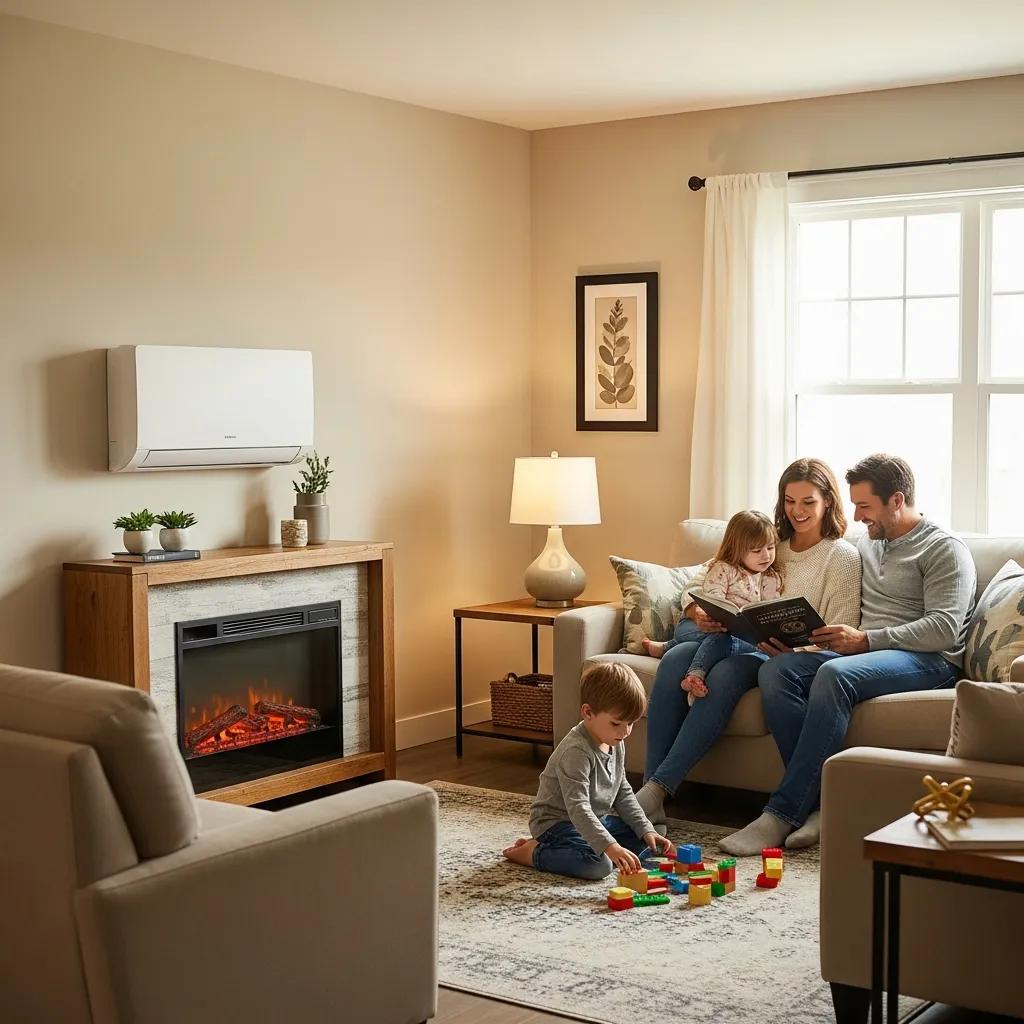
Ductless mini-split systems shine when homeowners want flexible, efficient heating and cooling without the need for ductwork. These systems consist of an outdoor compressor/condenser and one or more indoor air handlers mounted on walls or ceilings, providing zoned comfort and energy savings. Ideal for retrofits, additions, or homes without existing ducts, ductless mini-splits offer high SEER and HSPF ratings, quiet operation, and precise temperature control. They reduce energy losses associated with duct leakage and allow for customized comfort in individual rooms. Installation is generally less invasive than ducted systems, and many models include inverter-driven compressors for variable-speed operation. Ductless mini-splits can also integrate with smart thermostats and zoning controls for enhanced efficiency.
How Do Ductless Mini-Split Systems Work and What Are Their Energy Benefits?
Ductless mini-splits transfer heat between indoor air and the outdoor environment using refrigerant lines, similar to traditional heat pumps but without ducts. This direct delivery reduces energy losses and allows for targeted conditioning of occupied spaces. Variable-speed compressors adjust output to match demand, improving efficiency and comfort. The zoned design means you only heat or cool rooms in use, cutting unnecessary energy consumption. These systems typically achieve SEER ratings from 18 to 30 and HSPF ratings from 9 to 12, making them among the most efficient options for mild to moderate climates. Their flexibility and efficiency make them a popular choice for Northern California homes looking to upgrade HVAC performance.
What Are Installation Considerations and Cost Savings for Ductless Mini-Splits?
Installing ductless mini-splits requires mounting indoor units and running refrigerant lines to the outdoor compressor. The process is less disruptive than installing ductwork but requires professional design to ensure proper sizing and placement for optimal performance. Upfront costs vary depending on the number of zones and system capacity but are often competitive with high-efficiency ducted systems. Energy savings come from reduced duct losses, zoned operation, and inverter-driven compressors. Many local rebates and incentives apply to ductless mini-splits, improving payback. Maintenance is straightforward, focusing on filter cleaning and periodic professional inspections. Homeowners should work with experienced installers to maximize system efficiency and rebate eligibility.
What Local Rebates and Incentives Support Energy‑Efficient HVAC Upgrades in Northern California?
Federal and local incentives can cut the net cost of energy‑efficient HVAC upgrades, improving payback for homeowners in Sacramento, Elk Grove, Galt, Lodi, and the Central Valley. Federal tax credits for qualifying heat pumps and certain high‑efficiency equipment reduce project costs, while state and utility programs often offer additional rebates for ENERGY STAR systems, weatherization, and electrification projects. The table below summarizes typical rebate categories, eligibility cues, and common notes to help you search for incentives. Always confirm current program details with local authorities and your utility before you commit — amounts and eligibility can change.
This table summarizes common incentive sources, eligibility cues, and typical maximums or notes homeowners should consider when planning upgrades.
| Incentive Program | Typical Eligibility | Max Incentive / Notes |
|---|---|---|
| Federal Tax Credits | Qualifying heat pumps and ENERGY STAR equipment | Significant tax credits reduce net cost; follow IRS guidance for eligibility |
| State/Regional Programs | Home upgrades, electrification, or contractor‑participating projects | Varies by program; often requires pre‑approval and qualified contractor |
| Utility Rebates | Residential customers upgrading to high‑efficiency HVAC | Rebate amounts vary by utility and product; documentation required for claims |
Combining federal, state, and utility incentives usually gives the best net economics — and accurate documentation plus contractor coordination is essential to secure available rebates.
Which Federal Tax Credits Are Available for ENERGY STAR HVAC Systems?
Federal tax credits lower project costs for qualifying energy‑efficient systems by applying a credit to your tax liability when the installation meets specified product and performance rules. Eligible products often include ENERGY STAR heat pumps and other high‑efficiency equipment that meet government thresholds; keep manufacturer certifications and receipts to support claims. These credits reduce what you owe on taxes rather than issuing a direct rebate, so talk to a tax professional about timing and eligibility. Keeping model numbers, installation date, and contractor invoices handy helps ensure a smooth claims process. Knowing these credits up front can shape equipment choice and financing decisions.
What Utility Rebates Exist in Sacramento, Elk Grove, and Central Valley?
Local utilities and regional programs commonly offer rebates for qualifying heat pumps, high‑SEER upgrades, and complementary measures like insulation or smart thermostats. Eligibility usually depends on customer class, program timing, and whether a participating contractor installs the equipment. Rebates often need pre‑approval or post‑installation documentation such as model numbers and proof of professional installation, and amounts can change with program budgets. Ask your service provider for rebate guidance and coordinate paperwork with your installer to ensure claims are filed correctly and on time. Planning installations around rebate windows helps capture the most incentives.
Additional Consultation Services / Contact
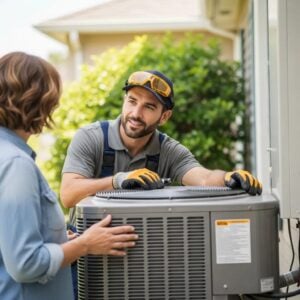
Top Rank Heating and Air Conditioning, Inc. is a family‑owned, family‑run company founded in 2003 that handles HVAC maintenance, repairs, replacements, and new residential and light commercial projects across Sacramento, Elk Grove, Galt, Lodi, and the Central Valley. We pride ourselves on honesty, fair pricing, and a 100% satisfaction guarantee. Our services include new air conditioning systems (including heat pumps), insulation, smart thermostats, whole‑house and attic fans, and guidance on efficiency upgrades and utility rebates. If you want local, practical advice on equipment selection, incentive alignment, or professional installation, Top Rank can provide on‑site assessments and project estimates tailored to Northern California conditions. Bringing a trusted local contractor into the process early helps ensure rebate eligibility and proper system commissioning.
How Do Advanced HVAC Technologies Enhance Energy Efficiency and Comfort?
Advanced HVAC features — like variable‑speed compressors, zoning controls, energy recovery ventilation (ERV), and low‑GWP refrigerants — raise efficiency by matching output to demand, cutting losses, and reclaiming otherwise wasted energy. Variable‑speed compressors modulate capacity to avoid frequent on/off cycles and boost part‑load efficiency while keeping comfort steady. Zoned systems with motorized dampers and multiple thermostats deliver conditioned air only where it’s needed, reducing runtime and duct losses. ERV systems exchange heat and moisture between outgoing and incoming ventilation air, preserving conditioned energy and improving indoor air quality — especially useful in homes that need mechanical ventilation. Together, these technologies create integrated solutions that improve comfort, lower bills, and reduce peak demand through smarter operation.
Typical residential benefits include:
- Variable‑speed compressors: Lower cycling losses and better humidity control.
- Zoning systems: Focus conditioning on occupied spaces to cut wasted runtime.
- ERV/HRV: Recover energy from exhaust air to reduce outdoor conditioning load.
When combined, these components improve efficiency and comfort while enabling more precise, demand‑driven operation.
What Are Variable‑Speed Compressors and Their Energy Advantages?
Variable‑speed compressors change motor speed to match the heating or cooling load. That reduces energy wasted by frequent starts and stops and lets the system run longer at lower power for better part‑load efficiency. The result is lower peak demand, smoother temperature control, and improved dehumidification compared with single‑speed compressors — plus measurable energy savings and better comfort. Maintenance is similar to conventional systems, but technicians need experience with inverter electronics and controls. Variable‑speed technology works especially well in homes with large temperature swings or high internal loads and pairs neatly with smart thermostats and zoning to boost savings.
How Do Zoned HVAC Systems and Energy Recovery Ventilation Improve Savings?
Zoning divides a single HVAC system into independently controlled areas using dampers and multiple thermostats, so you condition only the spaces you use. That reduces conditioned volume and runtime, cuts duct losses, and extends equipment life by lowering on/off cycles. ERV systems complement zoning by transferring sensible and latent energy from exhaust air to incoming fresh air, preconditioning outside air and lowering the extra load from ventilation while keeping indoor air quality high. When zoned systems and ERV are integrated with smart controls, they maintain comfort, cut energy use, and support healthier indoor air without wasting energy. For many homeowners, pairing variable‑speed equipment, zoning, and ERV delivers the best balance of comfort and efficiency when installed by experienced professionals who understand system integration and incentive pathways.
Frequently Asked Questions
1. What factors should I consider when choosing an HVAC system for my home?
Think about your home’s size, insulation, and local climate first. Check energy ratings like SEER and HSPF to estimate savings. Decide which system type fits your needs — air‑source heat pump, ductless mini-split, variable-speed system, or a traditional split system. Factor in installation costs, available rebates, and long‑term maintenance. A local HVAC pro can give a tailored recommendation based on your house and budget.
2. How can I improve the efficiency of my existing HVAC system?
Start with regular maintenance: replace filters, clean coils, and schedule inspections. Upgrade to a smart thermostat for better schedule control. Seal ductwork and add insulation to reduce losses. Consider zoning to condition only occupied areas. These measures together can produce noticeable efficiency gains and better comfort.
3. What are the environmental benefits of using energy‑efficient HVAC systems?
Energy‑efficient HVAC systems use less electricity, which cuts greenhouse gas emissions tied to power generation. Many modern systems also use refrigerants with lower global‑warming potential. Lower energy use reduces demand on the grid and helps communities move toward cleaner, more sustainable energy use.
4. Are there specific maintenance tips for ductless mini-split HVAC systems?
For ductless mini-splits, clean or replace filters regularly and keep indoor units free of dust. Inspect refrigerant lines and outdoor units for debris or damage. Schedule professional inspections annually to verify system performance and address any issues early.
5. How do I know if I qualify for local HVAC rebates and incentives?
Start with your utility company and local government websites — many programs list eligibility, required equipment ratings, and whether a certified installer is needed. Contact your utility or program administrator directly for the latest details, and coordinate with your contractor to ensure paperwork and pre‑approvals are handled correctly.
6. What role do smart thermostats play in energy savings?
Smart thermostats optimize system runtime by learning schedules, using geofencing, and offering energy reports that highlight saving opportunities. They can reduce energy use when you’re away and fine‑tune comfort when you’re home. When integrated with smart home devices and efficient HVAC gear, they can produce noticeable bill reductions.
7. What are the long‑term cost benefits of investing in high‑SEER HVAC units?
High‑SEER units use less electricity, so monthly bills tend to be lower. Over several years, those savings can offset the higher upfront price. Many high‑SEER systems also qualify for rebates and tax credits, improving economics. With better comfort and potentially longer life, high‑SEER units are a smart long‑term investment for many homeowners.
Conclusion
Upgrading to energy‑saving HVAC systems improves comfort, lowers utility bills, and reduces environmental impact. By understanding high‑SEER units, smart thermostats, ductless mini-split options, and available rebates, you can make choices that match your goals and budget. Take the next step: explore local incentives and talk with an experienced contractor. Our team at Top Rank Heating and Air Conditioning can help you find the right solution for your Northern California home and guide you through incentives, installation, and commissioning.