Key Differences Between Automotive and HVAC Systems
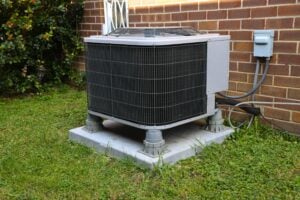
Understanding the fundamental differences between automotive air conditioning systems and HVAC systems is crucial for consumers. While both systems aim to regulate temperature and enhance comfort, they operate under different principles and serve distinct purposes. Automotive systems primarily focus on cooling and dehumidifying the air for passenger comfort, whereas HVAC systems encompass a broader range of functionalities including heating, ventilation, and air purification.
For instance, HVAC systems are designed to maintain indoor air quality by filtering out pollutants and controlling humidity levels, which is not a primary function of car air conditioning. Additionally, HVAC systems require regular maintenance to ensure efficiency and longevity, such as changing filters and cleaning ducts, while automotive systems may require different types of upkeep like refrigerant checks and compressor servicing.
Benefits of Professional HVAC Installation Services
Opting for professional HVAC installation services can significantly impact the efficiency and longevity of your system. Trained technicians possess the expertise to assess your specific needs, recommend suitable systems, and ensure proper installation, which can prevent future issues and costly repairs. Professional installation also often comes with warranties that protect your investment.
Moreover, professionals can ensure that the system is correctly sized for your space, which is vital for optimal performance. An improperly sized unit can lead to inefficient energy use, uneven heating or cooling, and increased wear and tear on the system. Understanding these benefits highlights the importance of choosing certified HVAC professionals for installation rather than attempting a DIY approach.
Common HVAC Issues and How to Troubleshoot Them
Being aware of common HVAC issues can empower homeowners to troubleshoot minor problems before they escalate into major repairs. Some frequent issues include inconsistent temperatures, strange noises, and poor air quality. Identifying these problems early can save time and money, allowing for timely interventions.
For example, if your system is blowing warm air, it may indicate a dirty filter or a refrigerant leak. Regular maintenance checks can help mitigate these issues, ensuring your system operates efficiently. Additionally, knowing when to call in professionals is crucial; for complex problems like electrical issues or refrigerant repairs, expert assistance is necessary to avoid safety hazards.
Energy Efficiency Ratings: Understanding SEER and AFUE
Understanding energy efficiency ratings, such as SEER (Seasonal Energy Efficiency Ratio) for air conditioners and AFUE (Annual Fuel Utilization Efficiency) for furnaces, is essential for making informed purchasing decisions. These ratings provide insight into how efficiently a system operates, which directly impacts your energy bills and environmental footprint.
A higher SEER rating indicates a more efficient air conditioning system, meaning it uses less energy to cool your home. Similarly, a higher AFUE percentage signifies that a furnace converts more fuel into usable heat. By choosing systems with higher efficiency ratings, homeowners can reduce energy consumption and lower utility costs while also contributing to a more sustainable environment.