24/7 Emergency AC Repair in Sacramento: Fast and Reliable Service
Sacramento heat can turn a working air conditioner into an urgent problem in a matter of hours. Our 24/7 AC repair teams provide fast, licensed response to restore safe indoor temperatures when it matters most. This article walks you through how emergency AC repair works, the warning signs to watch for, realistic cost expectations and financing options, and how preventive care cuts your chance of an emergency. You’ll also get simple, safe diagnostics homeowners can try, a clear outline of a technician’s same-day workflow, and the local factors that affect response time across Sacramento and nearby areas. We focus on regional drivers—heat spikes, dust, and humidity—and link symptoms to likely failed components so you can decide quickly and confidently during a crisis. Finally, we map service areas and typical response windows so you know what to expect while you wait for professional help.
This guide is written for homeowners and property managers searching for terms like “emergency ac repair experts near me” and “24 hour AC repair Sacramento.” Each section includes short diagnostic checklists, a technician workflow, transparent cost ranges in easy-to-scan tables, financing and payment options, preventive-maintenance checklists, and a service-area response table to help you pick the right emergency path. Where useful, we reference licensed, experienced providers and best practices for local listings to improve discoverability and set clear expectations. Read on to spot emergencies fast, know what a licensed technician will do on arrival, prepare for likely costs, and reduce future disruptions through routine care.
What Are the Common Signs You Need Emergency AC Repair in Sacramento?
An AC emergency is any sudden cooling failure or safety hazard that needs same-day attention to protect people and property. In Sacramento’s heat, watch for rapid indoor temperature rise, burning or electrical odors, loud mechanical noises, and visible refrigerant leaks—these are primary indicators you should call right away. Spotting these signs early reduces the risk of compressor failure, electrical fires, and long downtime, and it helps you give dispatchers accurate information for faster triage. Below are the most common emergency signals and a short, safe diagnostic checklist homeowners can use before calling a licensed technician.
Common emergency signs to watch for in Sacramento:
- Rapid temperature rise or no cooling: Your home warms quickly even with the thermostat set lower.
- Burning or electrical smells: Any smoke, sizzling, or burning odor may indicate an electrical hazard.
- Loud grinding, banging, or squealing noises: These often point to mechanical failure—motor or fan problems.
- Frequent tripping or short-cycling: The system starts and stops repeatedly, suggesting electrical or control issues.
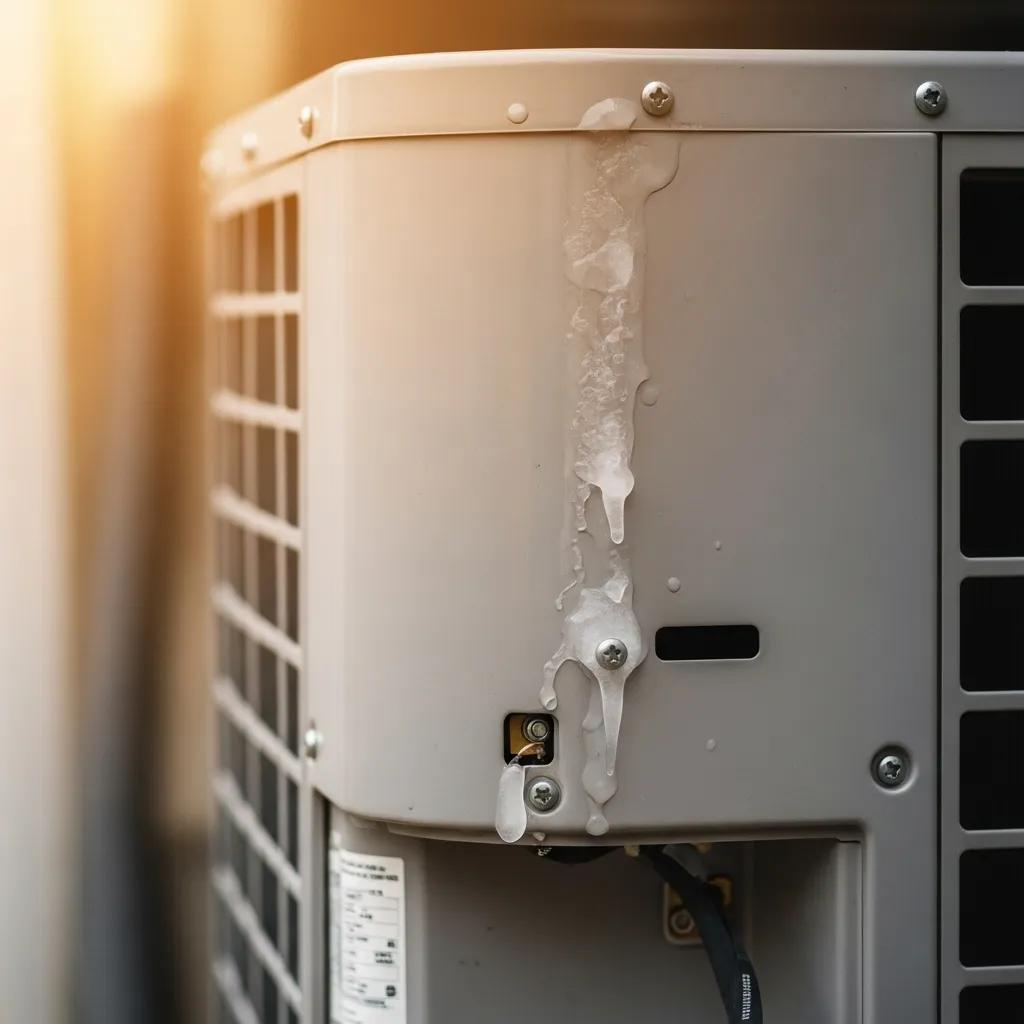
- Visible refrigerant leak or ice on coils: Oily residue, hissing sounds, or ice buildup usually mean refrigerant or airflow problems.
These signs typically point to failed parts like the compressor, capacitor, or control board, and they give dispatchers the details needed to prioritize your service call. After you confirm any of these symptoms, decide whether to request same-day emergency service or schedule a standard repair.
How to Identify AC Emergencies: Symptoms and Causes in Northern California Climate
Sacramento’s climate—hot summers, occasional humidity, and seasonal dust—speeds wear on HVAC components and changes how problems present. Heat spikes force compressors to run harder and raise the chance of motor burnout or capacitor failure. Dust and poor air quality clog coils and filters, reducing airflow and sometimes causing coil icing or added compressor stress. Safe homeowner checks include verifying circuit breakers, looking at visible refrigerant lines for oil stains, and feeling vents for airflow; these steps help indicate whether the issue is electrical or refrigerant-related without creating risk.
Knowing these local causes helps you judge urgency: a compressor overheating during a multi-day heatwave needs immediate intervention to avoid total system loss; a slightly reduced cool output on a cool morning can usually wait. Clearly describing symptoms, timing, and environmental triggers to dispatch will help technicians arrive prepared and shorten time on site. This regional framing also explains how licensed technicians perform fast triage and focused repairs under emergency protocols.
When Should You Call Same Day AC Repair Near Me for Immediate Assistance?
Call same-day AC repair when conditions threaten health, safety, or property—examples include no cooling during extreme heat, a burning electrical smell, visible refrigerant leaks, or repeated breaker trips. Prioritize a call if vulnerable people are present (infants, older adults, or those with medical needs), since prolonged indoor heat can be dangerous. Safe temporary steps include shutting off the AC at the thermostat and the breaker if you smell burning or see smoke, staying in cool areas, and avoiding DIY electrical fixes that could make the hazard worse.
When you call, give clear details: when symptoms started, unusual noises or smells, breaker behavior, and whether anyone is at risk—this information helps dispatchers prioritize and bring the right parts. Knowing when to escalate to emergency service versus scheduling a next-day visit protects health and reduces unnecessary after-hours charges. The next section explains how licensed technicians structure an emergency response from dispatch to completion.
How Does Emergency AC Repair Work with Licensed HVAC Technicians in Sacramento?
Licensed HVAC technicians follow a clear triage-to-resolution workflow that balances speed, safety, and accurate diagnostics to get cooling back quickly. The process starts with intake triage to capture symptoms, site hazards, and priority level—information that shapes dispatch choices and expected arrival times. On site, technicians run safety checks, isolate electrical risks, and perform targeted diagnostics to determine if a temporary repair will restore safe operation or if a replacement is necessary. After repairs, they test the system under load, explain the work and options, and document findings for follow-up maintenance.
Understanding this step-by-step workflow helps you set expectations for arrival time, scope of work, and possible follow-ups after the emergency is handled. The table below clarifies common repair steps, who handles them, and typical tools or time required so you know what to expect during a same-day visit.
Different stages of an emergency repair and typical responsibilities:
| Repair Step | Who performs it | Typical time/tools |
|---|---|---|
| Dispatch triage and prioritization | Scheduling/dispatcher | Call intake system, symptom checklist |
| On-site safety assessment | Licensed HVAC technician | Multimeter, PPE, visual inspection |
| Diagnostic testing and troubleshooting | Technician | Gauges, thermal camera, manifold set |
| Temporary repairs or parts replacement | Technician | Capacitor, contactor, fan motor, refrigerant charging tools |
| System testing and customer briefing | Technician | Load testing, airflow measurement, written report |
This clear breakdown highlights roles, realistic on-site timing, and the diagnostic tools licensed technicians bring to every emergency. Below is a concise numbered process that shows the typical flow for fast AC repair service.
- Triage and dispatch: The dispatcher records symptoms and sets priority for same-day response.
- Arrival and safety check: The technician isolates electrical circuits and looks for immediate hazards.
- Focused diagnostics: Technicians test components like capacitors, compressors, and refrigerant charge.
- Repair or temporary fix: Quick part swaps or temporary measures restore safe operation when possible.
- Verification and education: The system is tested under normal load and the technician explains next steps.
What Is the Step-by-Step Process of Fast AC Repair Services?
Fast AC repair balances immediate restoration with long-term reliability by following a focused diagnostic and repair sequence that minimizes downtime. First, the technician confirms symptoms, checks electrical supply, and takes pressure and temperature readings to determine whether the fault is mechanical, electrical, or refrigerant-related. Next, they identify the failed component—capacitor, contactor, fan motor, or compressor—and decide whether a same-day replacement or a temporary bypass will safely restore operation. Finally, they re-test the system, confirm airflow and temperature differentials, and leave documentation plus recommended follow-up work.
Technicians will explain replacement options when needed, including cost, timeline, and whether a temporary fix can bridge until parts arrive. Having system age, past repairs, and visible symptoms ready when the technician arrives speeds diagnosis and often reduces billable diagnostic time. Understanding this process helps you ask focused questions and authorize the right immediate action for safety and long-term performance.
Who Are the Certified HVAC Repair Experts Providing 24 Hour AC Service Sacramento?
Certified emergency HVAC technicians hold state contractor licenses, EPA refrigerant handling certification, and carry insurance that covers property and liability during emergency work. Ask to see a license number, request a written diagnosis before approving major repairs, and look for ID, uniforms, and labeled company vehicles. Professional technicians provide a clear service report documenting tests, replaced parts, and recommended preventive steps.
Verifying credentials reduces the risk of incomplete or unsafe repairs and helps ensure compliance with local codes and refrigerant rules. Licensed technicians’ training in electrical systems, refrigerant handling, and compressor diagnostics is why you should prefer credentialed emergency responders over unverified providers. The next section covers costs and financing options for emergency service in Sacramento.
| Repair Type | Typical Cost Range | Notes |
|---|---|---|
| Capacitor or contactor replacement | $150 – $350 | Common quick fixes that restore startup and fan function |
| Refrigerant recharge (minor) | $150 – $400 | Cost varies with refrigerant type and leak repair needs |
| Fan motor replacement | $250 – $600 | Includes labor; access and unit age affect price |
| Compressor replacement | $1,200 – $2,500+ | Major repair; sometimes prompts full system replacement |
This table shows typical ranges for common emergency repairs so homeowners can anticipate budgets and compare quotes. Actual costs depend on after-hours surcharges, parts availability, labor complexity, and outdoor unit accessibility. Ask the dispatcher about any emergency, weekend, or holiday surcharges when you schedule service.
What Are the Costs and Financing Options for AC Emergency Service Sacramento?
Emergency AC repair costs separate diagnostic and labor fees from parts and potential replacement expenses. Same-day service usually includes an emergency diagnostic charge and labor, plus parts and refrigerant as needed. Major components like compressors are the most expensive and can approach the cost of a replacement system for older units. Financing plans, short-term payment options, and service agreements with priority emergency response can help manage unexpected bills when time-sensitive repairs are required.
Below is a side-by-side comparison of common emergency repairs with typical cost ranges and quick notes to guide conversations with technicians.
| Emergency Repair | Typical Cost Range | Example Considerations |
|---|---|---|
| Capacitor replacement | $150 – $350 | Fast on-site fix; common cause of startup failure |
| Contactor or relay repair | $150 – $300 | Quick swap; reduces risk of intermittent operation |
| Refrigerant leak repair + recharge | $200 – $800 | Costs vary with leak location and refrigerant type |
| Fan motor replacement | $250 – $600 | Affects airflow; may require roof or attic access |
| Compressor replacement | $1,200 – $2,500+ | Major repair; evaluate system age vs. replacement |
Common financing and payment options to ease the immediate cost of an emergency:
- Point-of-service payment plans: Short-term installments through third-party providers to defer or split emergency costs.
- Service agreements with priority dispatch: Annual contracts that may include reduced emergency labor charges and waived diagnostic fees.
- Credit or in-house financing: Longer-term financing for larger repairs or replacements with predictable monthly payments.
These options let you match repair urgency to your budget while keeping safety and system integrity top of mind. Licensed providers can present pre-authorization paperwork and clear estimates before starting any costly work.
Note on local providers: Top Rank Heating and Air Conditioning, Inc. is a Northern California HVAC company that specializes in emergency air conditioning repair for residential and commercial customers in Sacramento and surrounding communities. Their model emphasizes local climate experience, 24/7 availability, and licensed, experienced technicians. Organizations planning digital visibility should consider adding LocalBusiness, Service, and Offer structured data with attributes like availability, service area, and response time to improve local search performance.
How Can Preventive Maintenance Help Avoid Emergency AC Repairs in Sacramento?
Preventive maintenance cuts emergency repairs by catching wear, leaks, and electrical issues before they fail—and it’s especially valuable in Sacramento’s climate where heat and dust increase component stress. Routine tasks—filter changes, coil cleaning, refrigerant pressure checks, electrical inspections, and lubrication—improve efficiency, extend component life, and reduce compressor workload during heat spikes. Service contracts often include priority scheduling that shortens emergency response times and seasonal tune-ups scheduled before summer demand.
Use the prioritized maintenance checklist below to lower the chance of breakdowns and to flag when professional attention is needed.
- Monthly filter checks and replacement: Clean filters keep airflow steady and prevent coil freezing.
- Seasonal outdoor coil and condenser cleaning: Remove dirt and debris that obstruct heat transfer.
- Annual electrical and control inspection: Verify connections, capacitors, and safety devices.
- Refrigerant pressure checks during tune-ups: Find slow leaks before they stress the compressor.
- Ensure airflow and vent clearance: Keep vents and the outdoor unit free from obstructions.
Following this checklist reduces common failure paths and allows technicians to track wear trends that predict future problems. Well-documented, regular maintenance leads to fewer and less severe emergencies—saving money and avoiding after-hours interruptions.
What Are the Best HVAC Maintenance Tips to Prevent AC Emergencies?
Focus on high-impact, low-cost actions that sharply reduce emergency risk in Sacramento’s climate. Replace or clean filters monthly, which preserves airflow and prevents coil icing. Keep at least two feet of clearance around outdoor units to improve heat rejection and lower compressor load. Tighten and inspect electrical connections to prevent short-cycling and breaker trips, and schedule a technician to test capacitors and contactors annually to avoid common startup failures.
These homeowner steps complement professional tune-ups and act as the first line of defense against emergency failures by stabilizing airflow, electrical health, and refrigerant balance. Creating a simple maintenance routine also gives technicians a baseline to spot changes early and intervene before a breakdown.
How Do Licensed Technicians Provide Preventive Care for Air Conditioning Units?
Licensed technicians deliver preventive care through methodical inspections, measurements, and documented service routines that reveal early signs of wear and refrigerant loss. During a preventive visit, a technician will inspect electrical connections, measure voltages and currents, clean and test condenser coils, verify refrigerant charge and pressures, check thermostat calibration, and run the system under load to observe temperature differentials. They then provide a written service report with findings, recommended actions, and an expected timeline for any worn components.
This measured preventive approach pairs technical checks with practical recommendations, enabling homeowners to schedule needed repairs during normal hours and avoid emergency calls. Documented maintenance histories also support warranty claims and help plan replacements when performance trends downward.
Which Areas Do Emergency AC Repair Experts Serve Near Sacramento?
Emergency AC repair providers typically serve Sacramento and nearby communities like Elk Grove and parts of the Central Valley, but response windows and availability depend on distance, time of day, and resource allocation. Central Sacramento neighborhoods usually get the fastest response because of proximity to dispatch centers and parts inventory. Outlying areas may see longer windows or scheduled emergency routing during peak demand. The service-area map below links typical response windows to geographic areas so you can set realistic expectations.
The service-area response table below maps representative locations to estimated response windows and common availability restrictions.
| Service Area | Typical Response Window | Availability / Restrictions |
|---|---|---|
| Central Sacramento | 1-3 hours | 24/7 emergency coverage most days |
| Elk Grove | 2-5 hours | May have extended response during peak heat |
| Northern Central Valley | 3-8 hours | Limited night coverage; scheduled emergency routing |
| Suburban outskirts | 4-8+ hours | Parts and access may extend times |
Is Emergency AC Repair Available in Elk Grove and Central Valley?
Yes—emergency AC repair is available in Elk Grove and many parts of the Central Valley, though service levels vary with proximity to local technicians and after-hours logistics. Elk Grove typically gets solid emergency coverage thanks to its link to Sacramento’s service area, but peak heat events can extend response windows. More remote Central Valley locations may be served by partner crews or scheduled emergency blocks, so confirm arrival times and any travel charges when you call.
If you’re in an outlying area, give clear location details, system type, and symptom timing so dispatchers can assign the right technician and anticipate parts. Booking preventive maintenance in shoulder seasons also lowers the chance of emergency calls during high-demand summer months and helps you get faster help when problems do occur.
How to Contact Fast AC Repair Services in Your Local Sacramento Area?
When you call for fast AC repair, have key information ready to speed triage and ensure dispatch assigns the right resources: system make and model (if known), symptom onset and description, any visible smoke or refrigerant leaks, and whether vulnerable occupants are present. Photos of the outdoor unit, visible leaks, or thermostat readings can speed diagnosis if the provider accepts them. Expect the dispatcher to confirm safety steps and ask whether the system is still on—if you smell burning or see smoke, turn the system off at the breaker.
When the technician arrives, verify ID and license, ask for a written diagnosis before major parts are replaced, and request documentation of what was tested and why. If you prefer providers with documented local expertise and true 24/7 availability, ask about technician credentials and whether the company uses structured data to clarify service descriptions in local listings. These steps help ensure safe, timely, and transparent emergency service in the Sacramento area.
- Information to provide during a call: System symptoms, exact location, and occupant risk status.
- Verify technician credentials on arrival: Ask for license and a written service report.
- Expect transparent estimates: Request written confirmation before major repairs.
These precautions streamline emergency service and give you clear choices between immediate fixes and planned replacements. Top Rank Heating and Air Conditioning, Inc. is one licensed Northern California provider that focuses on emergency AC repairs with local climate expertise, around-the-clock availability, and experienced technicians for both homes and businesses.
| Area | Typical Response Window | Notes |
|---|---|---|
| Sacramento (central) | 1–3 hours | Rapid urban dispatch; priority during heatwaves |
| Elk Grove | 2–5 hours | Good coverage; slightly longer on peak days |
| Central Valley (nearby) | 3–8 hours | Variable; confirm overnight availability |
Frequently Asked Questions
What should I do if my AC unit is making strange noises?
Strange sounds—grinding, banging, or squealing—often mean a mechanical problem. Turn the system off to avoid further damage, check for loose debris around the unit, and don’t run the system. Call a licensed HVAC technician right away; they’ll inspect the unit, identify the failing part, and recommend repair or replacement to restore safe operation.
How can I prepare for an emergency AC repair visit?
Gather system info (make and model if available), note symptom timing and descriptions, and clear the area around the unit so the technician can work. If you can, take photos of visible issues like leaks or damage. Be ready to describe unusual sounds or smells. These steps help the technician diagnose and fix the problem faster.
Are there any DIY steps I can take before calling for emergency AC repair?
Yes—perform a few safe checks: confirm the thermostat settings, see if the circuit breaker has tripped, and remove debris around the outdoor unit that might block airflow. If you see ice on the coils, turn the system off to let it thaw. Avoid opening electrical panels or attempting repairs yourself—leave diagnostics and fixes to licensed technicians to prevent injury or further damage.
What financing options are available for emergency AC repairs?
Many HVAC companies offer financing to manage emergency repair costs. Options include point-of-service plans that split payments, service agreements that lower emergency fees and diagnostic charges, and credit or in-house financing for larger repairs. Discuss payment options with your technician before work begins so you can choose a plan that fits your budget.
How often should I schedule preventive maintenance for my AC unit?
Schedule preventive maintenance at least once a year—ideally before summer—to prepare your system for peak demand. Regular tune-ups include coil cleaning, refrigerant checks, and electrical inspections. Routine care improves efficiency, extends equipment life, and reduces the chance of emergency breakdowns.
What are the typical response times for emergency AC repair services in Sacramento?
Response times vary with location and demand. Central Sacramento usually sees responses within 1–3 hours; suburban outskirts can take 4–8 hours or more. Peak heat events may lengthen wait times. When you call, describe your location and urgency clearly to help dispatchers prioritize your request.
Conclusion
When heat strikes, emergency AC repair in Sacramento gets you fast, licensed help to restore comfort and safety. Recognizing the signs of an emergency and understanding how licensed technicians work lets you act quickly and confidently. Prioritizing preventive maintenance cuts the risk of future emergencies and lowers long-term costs. Contact us today to learn how we can keep your AC running smoothly year-round.