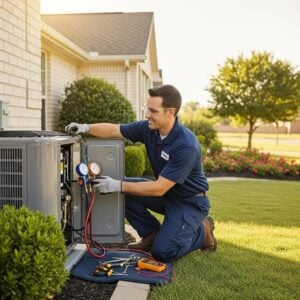

Finding affordable HVAC help in Sacramento means balancing urgent repairs with longer‑term investments in energy savings and indoor air quality that match our local climate. This guide explains what “affordable HVAC” looks like here, outlines typical price ranges for repairs and installations, and shares practical ways to save without sacrificing comfort or reliability. Sacramento homeowners face hot summers, occasional cold snaps, and seasonal wildfire smoke — conditions that affect system sizing, maintenance needs, and IAQ upgrades. Read on to learn common AC and furnace price bands, how to qualify for financing and utility rebates, what to expect from inspections and emergency calls, and which efficiency upgrades usually pay back fastest in the Central Valley. We also walk through diagnostic clues, maintenance tips, and a step‑by‑step service workflow so you can compare estimates, prioritize work, and get transparent, cost‑aware service from local HVAC professionals.
What Are the Typical Costs for HVAC Repair and Installation in Sacramento?
Costs for HVAC repair and installation in Sacramento depend on the component, system age, how easy the equipment is to access, and the efficiency level you choose. Simple parts‑and‑labor fixes sit at one end of the spectrum; full system replacements carry higher up‑front costs but typically lower operating expenses over time. Labor rates, refrigerant type, and ductwork complexity strongly affect pricing, while higher‑SEER equipment and heat pumps raise install costs but reduce seasonal utility bills. Knowing these price bands helps you set a realistic budget and spot unusually low or unclear estimates. The table below gives typical cost ranges for common AC and furnace services so you can compare expectations quickly and make informed choices.
Quick summary of common repair and replacement price ranges:
Component / Service | Common Problem or Service | Typical Price Range (USD) | Notes |
|---|---|---|---|
Refrigerant recharge | Low cooling capacity, longer cycles | $150 – $350 | Depends on leak repair and refrigerant type |
Capacitor / Contactor replacement | Unit won’t start or cycles rapidly | $120 – $400 | Fast diagnostic; labor often primary cost |
Compressor replacement | No cooling, loud operation | $1,200 – $3,500 | High‑cost repair; replacement sometimes preferable |
Evaporator coil repair/replacement | Reduced efficiency, ice build‑up | $500 – $2,000 | Access and coil damage affect price |
Full AC system replacement (mid‑SEER) | End‑of‑life or repeated major failures | $3,500 – $7,500+ | Higher SEER increases upfront cost but saves energy |
Furnace tune‑up/repair | Intermittent heat, pilot/ignition issues | $100 – $450 | Annual tune‑ups reduce emergency risks |
Furnace replacement | Inefficient or failing unit | $2,500 – $6,000+ | AFUE rating and install complexity affect cost |
Use this table to estimate budgets and decide when a repair is more economical than replacement. Below we break down AC cost drivers and diagnostic signs to watch for.
How Much Does AC Repair Cost in Sacramento?
Most AC repair bills come from a handful of failure types: refrigerant leaks and recharges, failed capacitors or contactors, blower motor problems, and major component failures like compressors or coils. A refrigerant recharge with minor leak work usually lands in the low hundreds; capacitor or fan motor swaps are often under $500. Compressor failures are the priciest repairs and can make replacement the better value. Watch for diagnostic symptoms — reduced cold airflow, unusual noises, longer run cycles, visible leaks, or frost on the coil — to help narrow likely repairs. Regular preventive maintenance cuts the frequency of these failures and lets technicians catch refrigerant loss and airflow issues early, lowering lifetime AC costs.
Common AC symptoms to watch for:
Weak or warm airflow: Could point to compressor trouble or low refrigerant.
Unusual noises: Bearings, motors, or loose parts commonly cause odd sounds.
Short cycling: May indicate a failing capacitor, thermostat problem, or airflow restriction.
Weak or warm airflow: Could point to compressor trouble or low refrigerant.
Unusual noises: Bearings, motors, or loose parts commonly cause odd sounds.
Short cycling: May indicate a failing capacitor, thermostat problem, or airflow restriction.
Noticing these cues before a full failure speeds diagnosis and can reduce repair labor — and cost — when your technician arrives.
What Are the Furnace Repair and Replacement Costs?
Furnace expenses range from inexpensive tune‑ups to full replacements when efficiency or reliability drops. Annual tune‑ups and small repairs typically run in the low hundreds and catch control or ignition problems early. Replacing major parts like motors or heat exchangers moves costs into the upper hundreds or low thousands; full furnace replacement depends on efficiency (AFUE) and installation complexity. A practical rule: weigh repair cost against replacement when repairs approach a large fraction of a new unit’s price, especially for systems older than 10–15 years. New, high‑AFUE furnaces cut annual fuel costs and often make long‑term financial sense. Consider payback time for efficient models, maintenance savings, and safety risks when deciding — and remember rebates and financing can make replacements far more affordable.
How Can Sacramento Homeowners Maximize Savings on HVAC Services?
You can lower both up‑front and lifetime HVAC costs with regular preventive maintenance, targeted upgrades that qualify for rebates, smart financing, and efficient operation (thermostat scheduling, zoning, etc.). Preventive service preserves equipment efficiency, cuts emergency calls, and extends system life. Energy‑efficient equipment combined with utility or manufacturer rebates often gives the best long‑term value by reducing utility bills enough to offset higher installation costs. Pair maintenance plans with opportunistic upgrades — higher‑SEER ACs, heat pumps, smart thermostats — to improve ROI and capture incentives. The table below compares common financing and rebate options so you can see likely eligibility and savings when budgeting work.
Intro to financing/rebate comparison table and how to use it when planning HVAC work:
Financing / Rebate Option | Eligibility | Typical Savings or Terms |
|---|---|---|
Utility rebate (SMUD/PG&E‑type) | Energy‑efficient equipment and qualifying installer | $200 – $1,500+ depending on equipment and program |
Manufacturer rebates | Purchase of specified high‑efficiency models | $100 – $800 per unit |
Contractor financing | Credit approval with promotional APRs | Monthly payment options to spread cost |
Federal/state tax credits | Qualifying heat pumps and energy‑efficient upgrades | Varies by program and year; can offset portion of cost |
Combining rebates with sensible financing can meaningfully lower your net replacement cost. Below are simple homeowner tactics you can use right away.
Homeowner savings tactics—practical list with quick explanations:
Schedule annual maintenance: A yearly tune‑up improves efficiency and stops small problems from becoming big ones.
Time replacements off‑peak: Installing during milder months avoids rush pricing and makes scheduling easier.
Pair upgrades with rebates: Buy qualifying, high‑efficiency equipment and use utility or manufacturer incentives.
Install a smart thermostat: Programmable controls reduce runtime and save on seasonal energy use.
These practices compound over time: routine care plus rebate planning makes efficiency upgrades more affordable and cuts long‑term ownership costs. The next section explains how a membership‑style plan amplifies those benefits.
Short business integration (brief, company-specific assistance and membership mention): Top Rank Heating & Air Conditioning, Inc. helps Sacramento homeowners with rebate paperwork, offers financing options, and runs membership‑style service programs that emphasize preventive maintenance and flexible scheduling. Our local experience across the Central Valley includes guiding customers through utility incentives and building service plans that reduce emergency repairs and extend equipment life.
This company support complements the homeowner tactics above and leads into what a typical service visit or membership experience looks like.
What Financing Options and Rebates Are Available for HVAC Services?
Financing commonly includes contractor payment plans, manufacturer promotional offers, and third‑party loans to spread cost over time; approval depends on credit and program terms. Local utility rebates usually require specific efficiency levels and licensed installers, and they can reduce net installation costs for high‑SEER systems or heat pumps. When evaluating financing, ask for a line‑item estimate showing equipment, assumed rebates, and monthly payment scenarios so you can compare net cost and payback. For example: a mid‑range AC replacement with a partial rebate and 12‑month zero‑interest financing can lower out‑of‑pocket expense while seasonal savings help cover payments.
By making replacements more affordable, these finance and rebate options let homeowners choose more efficient systems that cut long‑term bills.
How Does the VIP Comfort Club Help Reduce Long‑Term HVAC Costs?
A preventive maintenance membership — our VIP Comfort Club — gives routine tune‑ups, priority scheduling for emergencies, and member discounts that reduce both the frequency and severity of costly repairs. Typical benefits include biannual inspections, discounted parts and labor, and faster response times during busy seasons. Over a 3–5 year period, consistent maintenance through a membership can delay replacement, keep systems running at rated efficiency, and lower emergency service premiums. If you value predictable budgeting and less downtime, a membership plan often delivers strong value, especially in climates like Sacramento’s where seasonal peaks stress equipment.
Memberships create a steady rhythm of care that prevents small issues from growing into expensive failures. Next, we outline the service workflow you can expect when you schedule with Top Rank.
What Is the Step‑by‑Step Process for Affordable HVAC Services with Top Rank?
Our typical workflow for cost‑conscious repairs and installations starts with scheduling a consultation, then an on‑site inspection, a clear written diagnosis with options, and finally the scheduled repair or installation with follow‑up testing and customer education. Clear steps and timelines help you compare estimates and avoid surprise charges, and warranties plus satisfaction guarantees back the work. Here’s the concise workflow you can expect when our licensed technicians handle your job.
Schedule and prepare: Book a consultation and note symptoms, recent changes, and system age.
On‑site inspection and diagnostics: Technician inspects components and runs tests.
Transparent written estimate: We present repair, replacement, and efficiency upgrade options.
Approve work and schedule: You pick the option and timing; parts ordered if needed.
Perform repair or installation: Technicians follow code, test the system, and confirm proper operation.
Post‑service follow‑up and maintenance enrollment: Final paperwork, operating tips, and maintenance recommendations provided.
This stepwise process sets expectations and reduces budget uncertainty. The next subsection explains what a free consultation and inspection typically deliver.
What Happens During a Free HVAC Consultation and Inspection?
On a free consultation and inspection, our technician checks visible components, measures airflow, inspects filters and ductwork, verifies thermostat operation, and runs diagnostics on compressors, coils, and safety controls. We typically measure operating pressures and temperatures to spot undercharge, airflow restriction, or excessive load. You’ll receive a written estimate that itemizes recommended repairs, replacement options with efficiency levels, and estimated timelines for parts and labor. The inspection is also a chance to review rebate eligibility, financing, and preventive maintenance — helping you choose the most cost‑effective path forward.
Clear, written documentation from the inspection helps you make informed decisions and sets expectations for emergency response, described next.
How Does Emergency HVAC Service Work in Sacramento?
Emergency service is reserved for safety risks, total loss of heating or cooling in extreme weather, or failures that could cause property damage. Response times vary by provider and season; members and true emergencies get priority. Emergency triage usually begins with phone intake to assess symptoms and scope. Technicians focus on temporary fixes to restore function when possible, then schedule follow‑up for permanent repairs. After‑hours or immediate dispatches may incur emergency fees, but quick triage reduces the chance of secondary damage and can lower total repair costs versus delaying service. Understanding how emergency response ties into warranties and maintenance plans helps you pick options that minimize risk and expense.
Clear emergency protocols and transparent fee schedules reduce uncertainty. Next, we cover how local climate drives many service needs.
How Does Sacramento’s Climate Influence Affordable HVAC Solutions?
Sacramento’s hot summers, occasional cold snaps, and periodic wildfire smoke create specific HVAC needs: strong cooling capacity, upgraded filtration for IAQ, and more frequent maintenance to handle seasonal loads. Systems run harder during heat waves, increasing wear on compressors, motors, and controls — which makes preventive maintenance especially important. Wildfire smoke raises the value of better filtration and whole‑house purifiers: they cost more up front but protect health and reduce system strain. The table below links climate factors to HVAC impacts and recommended solutions so you can prioritize investments for durability and cost‑effectiveness here in the Central Valley.
Climate Factor | Impact on HVAC | Recommended Solution | Estimated Cost Impact |
|---|---|---|---|
Extended heat waves | Increased runtime and component wear | Higher‑capacity AC, routine refrigerant and coil checks | Moderate to high upfront; lowers failure risk |
Wildfire smoke | Indoor air contamination; faster filter clogging | Upgraded MERV filters, whole‑house air purifiers | Moderate installation; reduces health risk |
Seasonal pollen/allergens | Increased filter replacement frequency | High‑efficiency filters and proactive maintenance | Low recurring cost; improves IAQ |
This mapping helps you balance upfront expense against fewer service calls and health‑related costs. The next subsection goes deeper into indoor air quality options that matter for Sacramento homes.
Why Are Indoor Air Quality Solutions Important for Sacramento Homes?
Indoor air quality (IAQ) matters in Sacramento because wildfire smoke and seasonal allergens can quickly degrade indoor air, affect health, and clog HVAC components — which lowers efficiency. IAQ options range from higher‑MERV disposable filters to whole‑house electronic cleaners, UV germicidal lights, and filtered ventilation systems. Each choice involves trade‑offs in installation cost, operating expense, and maintenance. For many homeowners, stepping up to better filters and using a portable or whole‑house purifier during smoke events offers an effective balance of protection and cost. Evaluating IAQ upgrades alongside regular maintenance keeps filters and coils clean, supports system efficiency, and cuts repair frequency.
Pick IAQ solutions based on local exposure, household sensitivities, and budget — and consider incentives that may apply to some equipment.
What Energy‑Efficient HVAC Products Are Recommended for Sacramento?
Recommended energy‑efficient products for Sacramento include high‑SEER air conditioners, modern heat pumps for efficient cooling and heating, smart thermostats that optimize runtime, and zoning controls that reduce the volume you condition. Higher‑SEER systems lower seasonal energy use; heat pumps can offer big savings when paired with good ductwork and controls. Smart thermostats add incremental savings by cutting unnecessary runtime and enabling demand‑response features. Eligible equipment often qualifies for utility or manufacturer rebates, improving payback and lowering net replacement cost. When choosing equipment, look for systems with proven local performance, duct compatibility, and experienced installers to ensure real‑world reliability and savings.
These efficient choices reduce operating costs and become more affordable when combined with rebates and financing. The next section explains why a local provider helps you execute these plans reliably.
Why Choose Top Rank Heating & Air Conditioning for Affordable HVAC Services in Sacramento?
Picking a local company that values honesty, clear pricing, and practical solutions helps you find cost‑effective HVAC work tailored to Sacramento’s climate and incentives. Top Rank Heating & Air Conditioning, Inc. is a family‑owned, locally focused provider serving Sacramento and nearby Central Valley communities. We offer licensed technicians, 24/7 rapid response, and an emphasis on energy‑efficient products to lower long‑term costs. A local contractor who knows the rebate landscape can help you size systems properly and deliver itemized proposals that show the trade‑offs between repair and replacement. Those trust signals make it easier to choose a provider who will protect your budget and comfort over time.
How Do Honesty and Satisfaction Guarantee Enhance Customer Experience?
Clear, honest practices and a satisfaction guarantee mean you get itemized estimates, straightforward explanations of required work versus optional upgrades, and a defined process if anything falls short. That reduces pressure to accept unnecessary services, clarifies warranty and maintenance responsibilities, and makes apples‑to‑apples price comparisons possible. When guarantee terms are clear, homeowners can confidently decide between repair and replacement knowing workmanship and parts are backed by post‑service support. Transparency protects budgets, speeds dispute resolution, and encourages routine maintenance — all of which preserve the value of affordable HVAC choices.
Transparent guarantees and solid documentation support better long‑term outcomes and underscore the value of local expertise, described next.
What Makes Top Rank a Trusted Local HVAC Expert?
Top Rank Heating & Air Conditioning, Inc. is a family‑owned, local contractor serving Sacramento, Elk Grove, Lodi, Galt, and the broader Central Valley. We provide HVAC maintenance, repairs, replacements, and new residential and light‑commercial installations. Our priorities are honesty and affordability, backed by a 100% satisfaction guarantee, licensed installation, 24‑hour response, and a focus on energy‑efficient equipment that lowers lifetime costs. Those attributes let us help customers navigate rebates, respond quickly to emergencies, and run preventive maintenance plans — all key for dependable, affordable heating and cooling in this market.
Scheduling and call‑to‑action (exact procedural guidance for appointments and consultation): To schedule a free consultation and inspection, request financing help, or learn about membership options like the VIP Comfort Club, contact Top Rank Heating & Air Conditioning, Inc. We’ll arrange an appointment with a licensed technician who provides a transparent, written estimate and explains available rebates, financing, and priority service benefits.
Frequently Asked Questions
1. What should I consider when choosing an HVAC system for my Sacramento home?
Consider energy efficiency (SEER for ACs, AFUE for furnaces), correct sizing, and compatibility with your ductwork. Prioritize systems that handle extreme heat and occasional cold snaps, and look for features like smart thermostats and zoning to trim energy use. A local expert can help size the system properly and point out rebates you might qualify for.
2. How often should I schedule HVAC maintenance?
We recommend at least one maintenance visit per year for each system — ideally an AC tune‑up in spring and a furnace check in fall. Regular maintenance catches issues early, keeps efficiency high, and extends equipment life. Many homeowners find biannual service plans give extra peace of mind and priority scheduling.
3. What are the benefits of using a smart thermostat?
Smart thermostats improve energy efficiency, convenience, and comfort. They let you schedule temperature setbacks, adjust settings from your phone, and learn usage patterns to reduce waste. Many models also integrate with home automation and demand‑response programs for additional savings.
4. How can I improve indoor air quality in my home?
Start with higher‑efficiency air filters and regular filter changes. Consider whole‑house purifiers or portable units during wildfire smoke events, and discuss UV germicidal lights if microbial control is a concern. Regular system maintenance and improved ventilation also go a long way toward cleaner indoor air.
5. What financing options are available for HVAC upgrades?
Options include contractor financing plans, manufacturer promotional offers, third‑party loans, and utility rebates. Many contractors provide promotional terms or low‑interest plans to spread the cost. Ask for a detailed estimate that shows rebate assumptions and monthly payment scenarios so you can compare real net costs.
6. How do I know if I need to replace my HVAC system?
Frequent breakdowns, rising energy bills, uneven temperatures, and an age over 10–15 years are signs replacement may be wiser. If repair costs approach a large percentage of replacement price, a new, efficient unit often makes financial sense — especially when rebates and financing are available.
7. What should I expect during an HVAC installation process?
Expect a clear process: a consultation and load assessment, a written estimate, removal of the old system, installation of the new equipment, and thorough testing. Your installer should walk you through operation and maintenance, and follow‑up visits may be scheduled to confirm everything is performing as expected.
Conclusion
Choosing affordable HVAC services in Sacramento means balancing upfront cost, ongoing energy savings, and indoor air quality — and planning makes all the difference. Understanding typical costs, financing and rebate options, and the value of preventive maintenance helps you make decisions that protect comfort and budget. Working with a trusted local provider like Top Rank Heating & Air Conditioning streamlines the process, maximizes available incentives, and delivers transparent, reliable service. Contact us today to schedule your free consultation and see how we can help you achieve efficient, cost‑effective heating and cooling.