Finding budget-friendly HVAC repair in Sacramento starts with clear, local information on typical prices, emergency availability, and maintenance strategies that lower lifetime costs. This guide lays out realistic cost ranges for the area, explains how emergency response works locally, and compares maintenance plans that deliver measurable ROI for homes and businesses. You’ll get practical advice on weighing AC versus heating repairs, spotting urgent failures, and choosing cost-saving upgrades that preserve comfort and safety. Because local knowledge and transparent pricing matter when money’s tight, we highlight the right questions to ask on estimates, how warranties and part choices affect final price, and which routine tasks prevent expensive breakdowns. Below you’ll find sample cost comparisons, maintenance plan summaries, concise checklists, and vendor-evaluation steps you can use right away — all tailored to Sacramento, Elk Grove, and the Central Valley climate and market conditions.
What Are the Typical HVAC Repair Costs in Sacramento?
Repair costs in Sacramento depend on the part, labor difficulty, and part availability; most common fixes fall into predictable local price bands that reflect parts, diagnostic time, and warranty coverage. Knowing these ranges helps homeowners and property managers compare quotes, spot hidden fees, and avoid unnecessary replacements. The section below explains the difference between flat-fee service calls and itemized estimates, and shows when a repair makes more sense than replacing equipment by weighing remaining life and efficiency loss. Familiarity with typical turnaround times and warranty notes for common components also reduces uncertainty during busy seasons when parts can take longer to arrive.
Component / Repair | Typical Local Cost Range | Typical Turnaround & Warranty Notes |
|---|---|---|
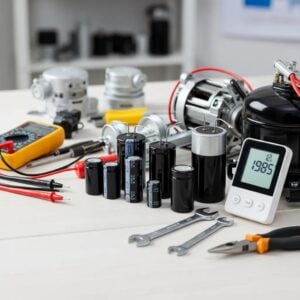
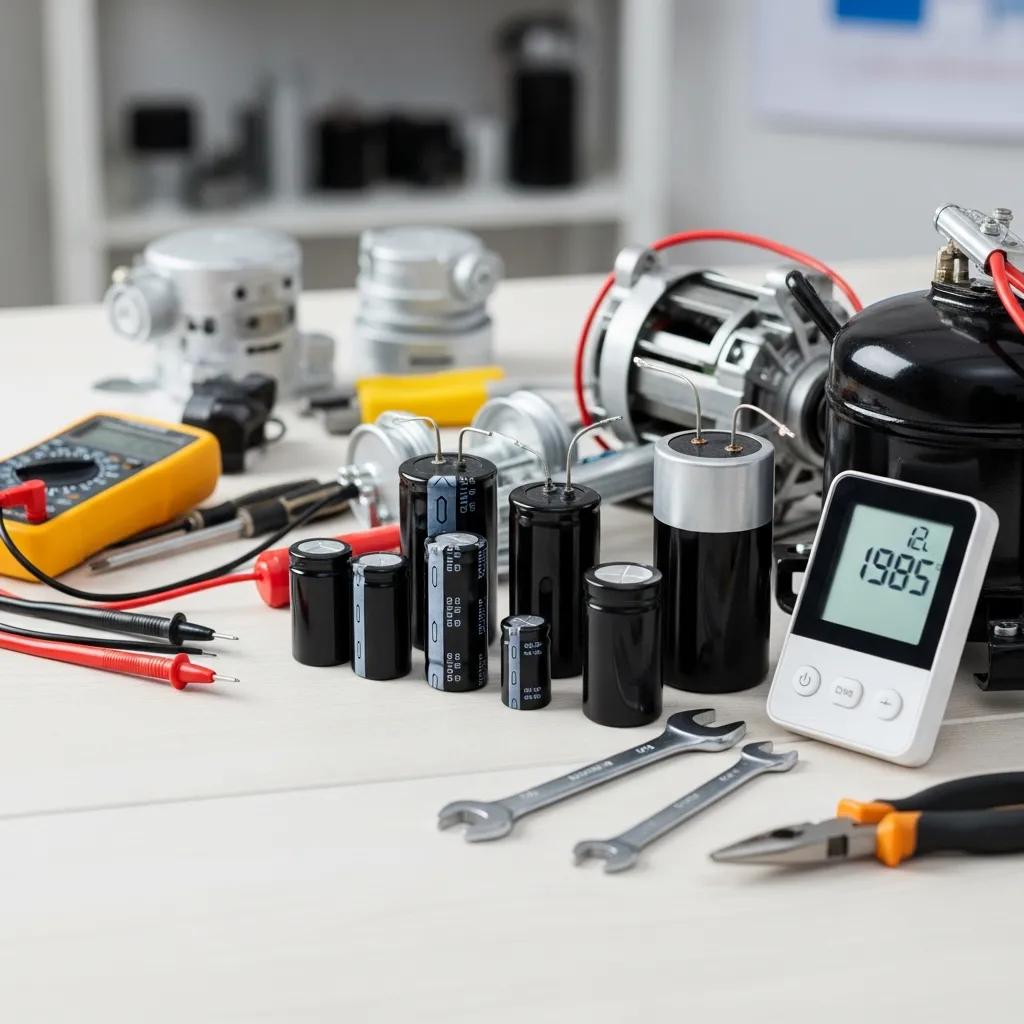
AC capacitor replacement | $150–$300 | Same-day to 1–2 days; part warranties typically 90 days–1 year |
Compressor repair/replacement | $1,000–$2,500+ | Multi-day; compressor replacements frequently come with limited parts warranty |
Refrigerant recharge (leak-free) | $150–$400 | Same-day if refrigerant is on hand; does not include leak repairs |
Blower motor replacement | $400–$1,200 | 1–3 days; motor warranty varies by manufacturer |
Thermostat replacement/upgrade | $100–$400 | Same-day; smart thermostat compatibility can affect cost |
Use this comparison to pinpoint cost drivers and expected delivery windows, so you can ask targeted questions when reviewing estimates and warranty terms.
How Does Pricing Vary Between AC and Heating Repairs?
AC and heating work differ mainly by parts complexity, refrigerant handling, and safety checks. Air conditioning jobs often involve refrigerant, compressors, and coil work; heating repairs usually focus on combustion components, ignition systems, and heat exchangers. AC costs can spike when compressors or condensers fail, while furnace or boiler repairs become expensive if a heat exchanger or combustion safety system needs replacement or testing. For example, an AC compressor replacement is usually pricier than a routine furnace ignition control repair, but a failed heat exchanger can match or exceed compressor costs because of added labor and safety testing. When comparing bids, ask for itemized line items — parts, labor, refrigerant, and testing — so you can see what’s driving the price and whether OEM or aftermarket parts are proposed. That clarity helps you weigh repair versus replacement based on system age, efficiency loss, and safety concerns.
What Factors Influence Affordable HVAC Repair Pricing?
Repair prices hinge on several variables: part type and availability, access and labor complexity, system age and manufacturer, diagnostic time, warranty coverage, and seasonal demand. OEM or specialty parts cost more, and jobs that require rooftop access or extended diagnostics will increase labor charges. Older systems often need harder-to-find parts and more diagnostic effort, which raises total cost; systems under warranty or with recent maintenance are usually cheaper to service. To lower costs, keep filters and coils clean to reduce wear, request itemized estimates that separate parts from labor, and discuss aftermarket versus OEM part options where appropriate. Asking for transparent pricing up front prevents surprises and supports affordable, dependable repair choices.
How to Find Reliable Emergency HVAC Repair Near Me in Sacramento?
Reliable emergency HVAC service in Sacramento means confirming 24/7 availability, clear emergency-fee policies, and realistic response-time commitments. Use a short vetting checklist to verify a provider’s emergency readiness: ask about after-hours dispatch, what qualifies as an emergency, and their emergency fee structure, then confirm estimated arrival windows during peak seasons. Check licensing and insurance, read recent reviews for consistent response times, and request references for emergency work when possible. The compact table below summarizes emergency service attributes — availability, typical response time, service area, and fee structure — so you can compare providers quickly before a crisis.
Service Attribute | What to Ask | Typical Local Expectation |
|---|---|---|
Availability | Are technicians on-call 24/7? | Many providers offer after-hours coverage with an emergency fee |
Typical response time | How soon after dispatch will a tech arrive? | Same-day or within 4–8 hours in metropolitan areas |
Service area | Which neighborhoods are covered in emergency calls? | Coverage often includes Sacramento, Elk Grove, Central Valley |
Emergency fees | Is there a flat emergency surcharge or hourly premium? | Expect a surcharge plus after-hours hourly rate; request an estimate |
This quick comparison helps you prioritize providers who are upfront about fees and arrival windows.
For example, Top Rank Heating and Air Conditioning Inc handles emergency calls with clearly stated after-hours coverage across Sacramento and nearby communities, prioritizing technicians based on safety concerns and response-time commitments. That kind of transparency and policy structure is what you should expect when urgent heating or cooling failures happen.
What Are the Signs You Need Immediate HVAC Repair?
Certain symptoms call for immediate action: total loss of cooling or heating, strong gas or burning electrical odors, visible sparking or smoke, and repeated short-cycling that prevents temperature control. Safety-critical signs — a gas smell or burning electrical scent — require you to shut down the system and contact emergency service right away to avoid escalation. Performance signs like complete loss of conditioned air or rapid cycling can indicate compressor failure, refrigerant leaks, or unsafe combustion problems that need prompt attention. Put safety first, then secure emergency dispatch; if advised, ventilate affected areas and shut off gas supplies until a technician arrives.
How Quickly Can Emergency HVAC Repairs Be Scheduled?
Emergency scheduling in Sacramento depends on time of day, season, and parts availability; heat waves and cold snaps can extend response times due to high demand. Many local providers aim for same-day response on safety-critical issues and 4–8 hour windows for major comfort failures, while non-critical repairs may be scheduled next-day. You can speed things up by giving precise location details, clear symptom descriptions, and system make/model information — that reduces on-site diagnostic time. Also ask whether the provider stocks common replacement parts to avoid multi-day delays; upfront communication improves the odds of a fast, affordable fix.
What Are the Best Affordable AC Repair Options in Sacramento?
Affordable AC solutions range from focused component repairs and refrigerant fixes to efficiency tune-ups and controlled replacements when equipment age makes repairs uneconomical. Short-term, lower-cost fixes include capacitor or relay replacements, condenser cleaning, and refrigerant recharge when there’s no leak — these often restore cooling quickly. Mid-term options replace high-wear parts like blower motors or control boards and add simple efficiency upgrades such as programmable thermostats to reduce runtime stress. If repair costs approach replacement thresholds for an aging system, consider high-efficiency replacements or staged upgrades to lower long-term operating and repair expenses. Below is a short list of practical options with quick pros and cons to guide decisions.
The following options help match budget to need:
Targeted part repair: Cost-effective for single-component failures and typically much cheaper than full replacement.
Refrigerant recharge (no leak): Fast way to restore cooling when pressure is low and no leak is present.
Efficiency tune-up and cleaning: Prevents future failures and improves performance for a moderate cost.
Controlled component replacement: Replace high-failure parts to extend system life at a reasonable price.
How to Maintain Your Air Conditioning Unit for Cost Savings?
Routine maintenance prevents many common AC failures and lowers long-term repair costs: seasonal tune-ups, coil cleaning, filter changes, and refrigerant checks keep systems running efficiently. Follow a simple checklist — monthly filter checks during heavy use, a professional inspection each spring, and coil/condensate drain cleaning as needed — to avoid secondary failures. DIY tasks like changing filters and keeping outdoor units free of debris reduce technician time and expense, while professional inspections catch refrigerant leaks, electrical wear, and compressor stress before they become emergencies. Investing in regular maintenance typically reduces emergency calls, improves efficiency, and delays costly replacements.
Introductory checklist: High-impact maintenance tasks to cut repair frequency.
Replace or clean air filters monthly during peak seasons to preserve airflow and reduce motor wear.
Schedule a professional spring tune-up annually to check refrigerant, electrical connections, and overall performance.
Keep outdoor units clear of vegetation and debris so condensers can operate without restriction.
Clean evaporator and condenser coils as needed to maintain heat-transfer efficiency.
Consistent maintenance yields measurable benefits: fewer emergency repairs, better efficiency, and longer equipment life — all of which lower total ownership costs over time.
What Energy Efficient Upgrades Can Reduce AC Repair Needs?
Upgrades that reduce operating stress — programmable thermostats, variable-speed motors, and higher-SEER equipment — lower repair frequency by smoothing runtime and preventing short-cycling. Smart thermostats improve setpoint control and cut unnecessary runtime, easing component wear. Variable-speed blowers and multi-stage compressors run slower for most conditions, reducing start-up stress and extending lifespan. Although upfront costs are higher, these upgrades often pay back through energy savings and fewer repairs over several seasons. Consider upgrades when repair costs begin to pile up or when local incentives make the business case attractive.
Which Heating Repair Services Are Available in Sacramento?
Heating services in Sacramento commonly include furnace tune-ups, ignition and control repairs, heat-exchanger inspections, boiler servicing, and rooftop unit maintenance for commercial properties; providers tailor work to residential or commercial scales. Typical services include safety inspections, combustion analysis, venting checks, filter and blower maintenance, and diagnostics to find issues like cracked heat exchangers or faulty ignitors. Commercial work often covers larger systems such as boilers and rooftop units, while residential services focus on furnaces and ducted systems. Knowing the scope and recommended service frequency helps owners pick packages that match system needs and budget limits, avoiding surprise emergency replacements.
How to Identify Common Heating System Problems?
Common heating symptoms point to likely causes: no heat often signals ignition or fuel issues, uneven heating can indicate airflow or duct problems, and unusual noises may mean failing blower bearings or motors. Before calling a technician, homeowners can do simple checks: confirm thermostat settings, check circuit breakers, and make sure fuel supply lines are open. For safety-related signs like gas odors, CO alarm activation, or abnormal flame patterns, shut off the system and call for emergency service immediately. Mapping symptoms to probable causes helps you describe issues clearly to technicians and speeds accurate diagnosis.
What Maintenance Plans Support Affordable Heating Repairs?
Maintenance plans that bundle annual inspections, safety checks, filter changes, and priority scheduling reduce the chance of major heating repairs and stabilize yearly service costs. Tiers usually vary by visit frequency, included services, and added perks like discounted parts or priority dispatch during peak seasons. Regular maintenance catches early wear — pilot failures or small cracks in exchangers — so repairs are targeted and less costly than emergency overhauls. Pick a plan that fits system type and building use (residential vs. commercial) to balance preventative care with predictable budgeting.
How Do Sacramento HVAC Maintenance Plans Save You Money?
Maintenance plans save money by cutting emergency repairs, improving efficiency, and extending equipment life; predictable servicing lowers total ownership costs through fewer major failures and lower utility bills. Bundling inspections, tune-ups, and priority scheduling into an annual plan helps owners avoid higher per-call emergency rates and enables scheduled parts replacement before catastrophic failure. The table below compares common maintenance tiers — basic, standard, premium — with included services, frequency, price range, and estimated annual savings to make ROI easy to evaluate.
Plan Tier | Services Included | Frequency & Price Range | Estimated Annual Savings |
|---|---|---|---|
Basic | Visual inspection, filter change, safety check | Annual; $150–$250 | 5–8% on utility + reduced emergency calls |
Standard | Full tune-up, coil clean, refrigerant check | Biannual; $250–$400 | 8–12% on utility + fewer repairs |
Premium | Priority scheduling, discounted parts, commercial checks | Quarterly/annual combo; $400–$700 | 12–20% on utility + extended equipment life |
What Services Are Included in Residential and Commercial Maintenance Plans?
Residential plans usually include filter replacement, safety checks, thermostat calibration, and an annual tune-up; commercial plans expand to rooftop unit servicing, boiler inspections, and more frequent preventative visits to match heavier use. Residential packages emphasize comfort and safety with seasonal checks and optional priority scheduling. Commercial services address larger-capacity equipment, extra venting and combustion tests, and compliance-focused inspections when required. Higher-tier plans commonly offer add-ons like discounted parts, low-cost diagnostic visits, and priority dispatch to minimize downtime and repair expense.
How Regular Maintenance Improves HVAC System Energy Efficiency?
Regular maintenance preserves heat-transfer surfaces, maintains correct refrigerant charge, and keeps controls calibrated — all actions that reduce energy waste and lower monthly bills. Clean coils and correct refrigerant levels let systems move heat more efficiently, cutting compressor runtime and peak electricity draws. Calibrated thermostats and clean filters reduce blower energy and steady-state operation, which limits short-cycling and related wear. Over time, well-maintained systems typically yield single-digit percentage reductions in energy use, with larger gains when combined with efficiency upgrades.
For plan details or a free maintenance consultation tailored to your system, Top Rank Heating and Air Conditioning Inc offers clear maintenance tiers and transparent comparisons to help Sacramento-area homeowners and property managers pick the right level of preventative care.
Planned maintenance reduces emergency repairs by spotting wear early.
Tune-ups improve efficiency through cleaning and calibration.
Priority scheduling limits downtime during peak seasons.
Frequently Asked Questions
What should I look for when choosing an HVAC repair service?
Choose a company with proper licensing and insurance, strong recent reviews, and transparent pricing. Ask for detailed, itemized estimates and warranties on parts and labor. It helps to confirm experience with your system type and whether the company offers emergency service and maintenance plans that reduce future costs.
How can I tell if my HVAC system needs repairs?
Watch for uneven temperatures, unusual noises (banging, hissing), sudden spikes in energy bills, persistent odors — especially gas — and frequent on/off cycling. These signs often mean it’s time for a professional check to prevent larger failures.
Are there any DIY maintenance tips for HVAC systems?
Yes. Replace or clean filters regularly (monthly during heavy use), keep the outdoor unit free of debris, and check the condensate drain for clogs. These simple actions improve efficiency and reduce the chance of bigger problems.
What are the benefits of having a maintenance plan for my HVAC system?
A maintenance plan provides routine inspections that catch issues early, priority scheduling during peak seasons, and often discounts on parts and labor. Plans stabilize service costs, lower emergency repair chances, and help keep systems running efficiently.
How can I improve the energy efficiency of my HVAC system?
Regular maintenance is the first step: clean coils, replace filters, and check refrigerant levels. Upgrading to a programmable or smart thermostat, sealing ducts, improving insulation, and choosing ENERGY STAR-rated equipment also reduce energy use and monthly bills.
What should I do if my HVAC system breaks down?
If your system fails, shut it off to prevent further damage, check obvious issues like tripped breakers or a blown fuse, and call a qualified HVAC technician for emergency service if needed. Be ready to describe symptoms, noises, or smells — quick information helps technicians diagnose and resolve the problem faster.
Conclusion
Choosing affordable HVAC repair in Sacramento means combining clear pricing, dependable emergency support, and regular maintenance to protect comfort and control costs. Understanding local repair ranges, emergency protocols, and maintenance options helps homeowners and managers make informed decisions that keep systems safe and efficient. Prioritize transparent estimates and planned maintenance to avoid surprise outages and expensive replacements. If you’re ready to compare plans or schedule a maintenance consultation, explore our HVAC services to find the right solution for your property.