Building Community Resilience After Fires
In the wake of devastating fires, community resilience becomes paramount. This resilience is built through collective efforts that foster support, recovery, and preparedness among residents. Local organizations often play a crucial role in helping families rebuild their lives, providing resources such as counseling, financial aid, and volunteer support for reconstruction efforts.
Additionally, community resilience can be bolstered through educational programs that teach residents about fire safety and preparedness. Workshops on creating defensible spaces, emergency plans, and effective communication during crises empower individuals to take proactive steps in protecting their homes and loved ones against future disasters.
Innovative HVAC Solutions for Fire-Affected Homes
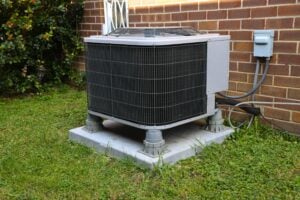
After a fire, restoring comfortable living conditions often requires innovative HVAC solutions that address both damage and air quality concerns. Modern HVAC systems are designed to not only provide heating and cooling but also to incorporate advanced filtration systems that can remove smoke particles and other pollutants from the air, ensuring a healthier indoor environment for families recovering from fire-related incidents.
Moreover, energy-efficient HVAC upgrades can significantly enhance home comfort while reducing utility costs. Homeowners can explore options like smart thermostats and zoned heating systems that allow for customized climate control, making their homes more adaptable and efficient in the face of changing environmental conditions.
Understanding the Importance of Fire-Safe HVAC Installations
Fire-safe HVAC installations are essential to minimize risks during fire emergencies. This includes using fire-resistant materials for ductwork and ensuring that all systems are properly maintained and inspected regularly. By adhering to safety standards, homeowners can significantly reduce the likelihood of HVAC systems contributing to fire spread or smoke damage.
Additionally, implementing features such as automatic shut-off systems and smoke detectors integrated with HVAC controls can provide an extra layer of safety. These systems can help detect smoke and automatically shut down the HVAC unit, preventing the circulation of harmful smoke throughout the home and allowing for a quicker response to fire emergencies.
Resources for Fire Recovery and Support
For individuals and families affected by fires, numerous resources are available to aid in recovery and rebuilding efforts. Local nonprofits, government agencies, and community organizations often provide financial assistance, temporary housing, and counseling services to help survivors navigate the difficult aftermath of a fire.
In addition to immediate support, these resources can also offer long-term assistance, including rebuilding grants and home improvement programs designed to enhance safety and resilience. Engaging with these organizations not only helps individuals recover but also strengthens community bonds as neighbors come together to support one another in times of need.

 It appears that we have become almost numb as a result of the fires we see on the news every evening. To many of us it almost seems impossible and yet it’s happening with dire consequences. People are losing homes, memories, lifestyles, pictures, heirlooms and even lives.