
Affordable HVAC Repair Services in Sacramento — Costs, Choices, and Local Service Guide
Unexpected HVAC problems in Sacramento are costly and disruptive. This guide walks you through realistic 2026 local price ranges for minor, moderate, and major repairs, explains what drives those costs, and gives practical steps to find affordable, transparent help. You’ll get clear rules for repair versus replacement, a checklist of emergency signs that merit 24/7 service, and maintenance tips that cut long‑term expenses. Sections cover typical repair pricing, how Top Rank Heating and Air Conditioning, Inc. structures its quotes and value, the repair services offered locally, emergency response expectations, and the money-saving benefits of routine maintenance and the VIP Comfort Club — all written to help Sacramento homeowners act with confidence when their heating or cooling needs attention.
What Are the Typical HVAC Repair Costs in Sacramento?
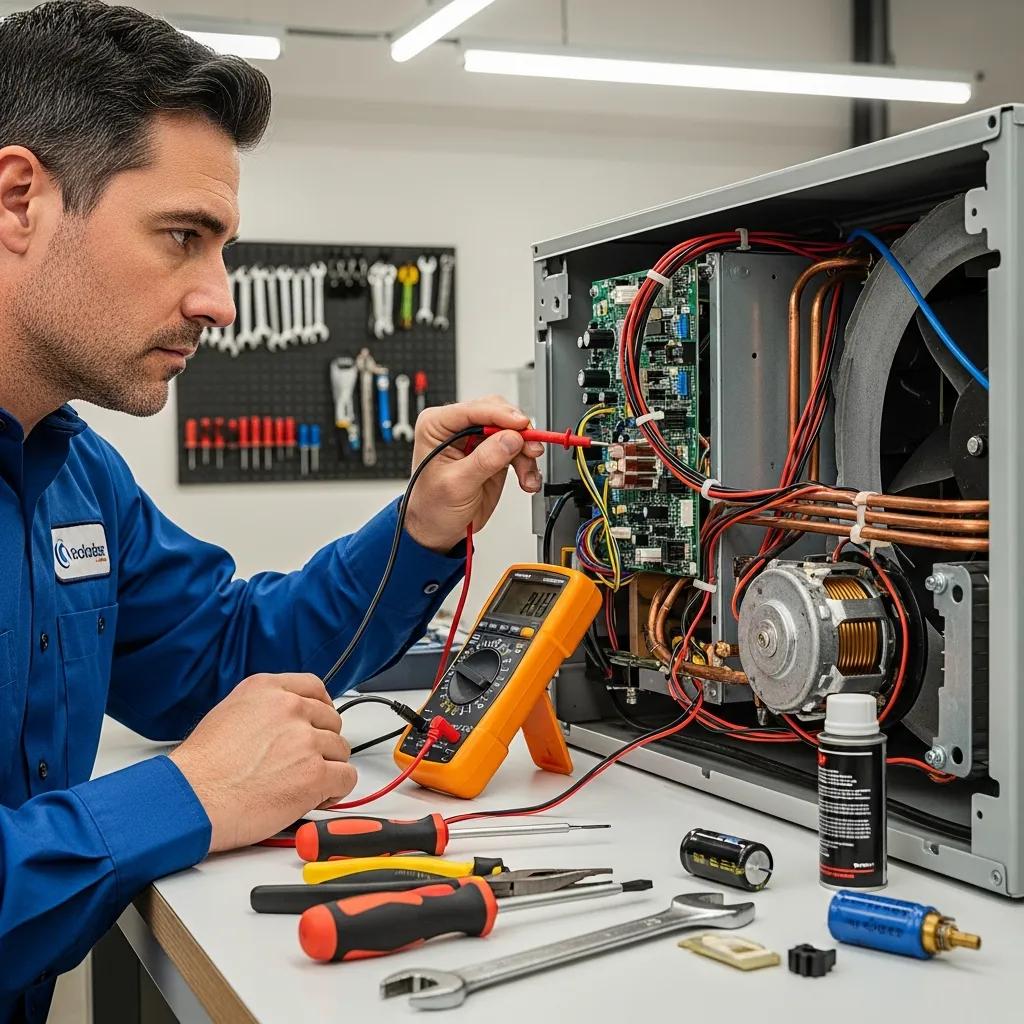
In Sacramento, repair costs generally fall into three tiers: minor repairs that restore basic function, moderate repairs that replace common parts, and major repairs that affect core system components. Minor work usually means diagnostics and small parts or adjustments; moderate jobs replace items like motors or control boards; major repairs cover compressors, evaporator coils and similar large components. Expect seasonal swings, parts lead times, and warranty coverage to affect final price — especially during peak cooling months. Knowing these tiers helps you budget, prioritize repairs, and see where preventative maintenance will limit surprise air conditioning expenses.
| Repair Tier | Typical Work Included | Typical Price Range (2026 Sacramento) |
|---|---|---|
| Minor Repair | Diagnostics, control adjustments, capacitor/fuse replacement | $100 – $350 |
| Moderate Repair | Fan motor, thermostat replacement, minor refrigerant top-off | $350 – $900 |
| Major Repair | Compressor, condenser, evaporator coil replacement or major refrigerant work | $800 – $2,500+ |
Please note: The price ranges provided for 2026 are projections based on current market trends and expert estimates. Actual costs for HVAC repairs in Sacramento, CA, can vary due to factors such as specific service provider rates, part availability, unforeseen complexities, and economic fluctuations. For the most accurate and up-to-date pricing, it is always recommended to obtain a detailed quote from a local, qualified HVAC professional.
The table above makes it easier to match symptoms to likely budgets and avoid underestimating costs. Identifying the correct tier also tells you whether to request a full diagnostic visit or a more focused service call.
How Much Does Minor AC Repair Cost in Sacramento?
Minor AC repairs tend to fix wear-and-tear or simple failures and are the most affordable way to restore cooling. Typical jobs include replacing capacitors, thermostats, small fan motors or running refrigerant leak diagnostics — tasks that usually need limited labor and inexpensive parts. In Sacramento for 2026, expect most minor AC repairs to fall between $100 and $350. Faster response or warranty verification can add a small fee. These quick fixes typically take one to three hours and, when paired with basic preventative maintenance, can extend system life. Knowing the usual timeline and parts involved helps you decide whether to repair now or wait.
- Common minor AC problems: thermostat miscalibration, capacitor failure, clogged condensate drains.
- Minor repairs often restore performance quickly at a much lower cost than replacing parts or systems.
- Small, timely fixes frequently stop problems from escalating into moderate or major repairs.
Addressing minor faults early is a practical, cost-effective approach and sets the stage for recognizing when a bigger repair is required.
What Are the Average Prices for Major HVAC Repairs?
Major repairs involve primary system components and cost more because of part complexity and labor time. Examples include compressor replacements, condenser or evaporator coil swaps, and full refrigerant-system overhauls. In Sacramento, these jobs commonly range from about$800 up to$2,500 or more depending on the part and labor involved. When repair estimates approach replacement costs — especially for older systems — replacement may be the smarter medium-term choice. Warranties, part lead times and seasonal demand spikes can raise costs, so compare a detailed repair estimate with replacement quotes. Clear diagnostic reporting is crucial to know whether a major repair will truly restore air conditioning or only delay further failures.
Affordable 2026 Sacramento HVAC Repairs: Costs, Options & Local Guide
Top Rank Heating and Air Conditioning, Inc. focuses on clear, itemized quotes, honest diagnostics and competitive practices to keep repairs affordable without cutting corners. As a family-owned Northern California company, Top Rank emphasizes straightforward line‑item estimates and plain-language explanations of diagnostics and labor so homeowners know what they’re paying for. Savings come from efficient scheduling, bulk purchasing of common parts, and membership perks like the VIP Comfort Club that lower long-term costs. These steps aim to reduce surprise fees while ensuring repairs use the right air conditioning system and methods.
- Itemized diagnostic fees and line-by-line repair estimates that separate parts and labor.
- Clear explanations of warranty coverage, part life expectancy, and repair vs. replacement options.
- Membership discounts and bundled service pricing to lower repeat-service costs.
These transparency practices help homeowners compare true value between providers and make better repair decisions.
What Factors Influence HVAC Repair Costs in Sacramento?
Several elements affect final repair pricing. Unit age and complexity can increase labor time and parts cost. The fault’s severity — for example, a burned-out compressor versus a failed relay — changes parts and diagnostic effort. Seasonality matters: peak cooling months raise labor rates and parts lead times. Accessibility, safety requirements and local labor rates also factor in. You can mitigate costs with regular maintenance, by keeping a service history, and by choosing providers who clearly explain how each factor affects price.
- Unit age and model complexity increase the likelihood and cost of repairs.
- Severity and scope of the problem determine whether a quick fix or a major replacement is needed.
- Seasonal demand and parts availability influence scheduling and final price.
Knowing these drivers helps homeowners plan repairs strategically and discuss realistic timelines and cost‑saving options with technicians.
How Does Top Rank Provide Competitive Quotes and Value?
Top Rank uses a standardized quoting process that starts with a full diagnostic and ends with a clear estimate showing optional repair scopes. Their approach includes bundled maintenance-and-repair offers, VIP Comfort Club discounts, and a focus on energy-efficient parts when replacements are recommended to lower future operating costs. Technicians share honest diagnostics and explain trade-offs between repairing now or investing in upgrades for long-term savings. Sample quotes typically separate diagnostic fees, parts, labor and suggested efficiency improvements so homeowners can compare options side-by-side.
- Step 1: On-site diagnostic to identify root cause and any safety issues.
- Step 2: Line-item estimate with repair options and timelines.
- Step 3: Clear explanation of long-term value, including potential energy savings from efficient parts.
This workflow helps homeowners balance upfront cost with long-term efficiency and prepares them for the specific services available locally.
Which HVAC Repair Services Does Top Rank Offer in Sacramento?
Top Rank Heating and Air Conditioning, Inc. provides residential and light-commercial HVAC repairs across Sacramento and the Central Valley. Services include AC repair, furnace repair, heat pump servicing, thermostat and controls work, refrigerant leak repair, and scheduled preventative maintenance. As a family-owned business, Top Rank emphasizes honest estimates, prompt response and energy-efficient product installations to manage costs and reduce environmental impact. Below is a breakdown of common service types and what each typically includes so homeowners know what to expect.
| Service Type | Typical Included Tasks/Parts | Typical Purpose |
|---|---|---|
| AC Repair | Diagnostics, fan motor, capacitor, refrigerant check | Restore cooling performance |
| Furnace Repair | Ignition, gas valve checks, blower motor, safety inspection | Ensure heating safety and function |
| Heat Pump Repair | Reversing valve checks, refrigerant management, compressor tests | Maintain year-round heat/cool capability |
This comparison sets clear expectations so you can schedule the right service and plan costs ahead of time.
What Affordable AC Repair Solutions Are Available?
Affordable AC repairs focus on replacing the specific failed components and restoring efficiency without unnecessary system swaps. Cost-saving choices include replacing individual parts like capacitors or fan motors instead of full assemblies, targeted refrigerant repairs when leaks are localized, and confirming thermostat calibration before recommending major components. Checking warranties can eliminate out-of-pocket costs, and technicians may offer temporary fixes to restore comfort while you plan a long-term solution. Basic homeowner steps — filter changes and condenser cleaning — also lower the risk of repeat failures and reduce future repair bills.
- Affordable AC repairs concentrate on targeted part replacement rather than full system overhauls.
- Reviewing warranties and parts sourcing can significantly reduce immediate out-of-pocket costs.
- Routine homeowner maintenance cuts down on avoidable minor repairs.
These options work well when a system’s core components are still serviceable and complement the furnace repair strategies below.
How Are Furnace Repairs Priced and Delivered Affordably?
Furnace repairs weigh safety and efficiency while keeping costs reasonable. Pricing reflects diagnostics, safety checks and any required parts. Typical tasks include ignition system repair, blower motor replacement, flame sensor cleaning or replacement, and gas valve inspection — all done with code and safety compliance in mind. Affordable delivery comes from bundling safety inspections with repairs, offering VIP Comfort Club discounts, and recommending staged repairs — fix immediate safety issues now and plan efficiency upgrades later. Transparent estimates make it clear which repairs are essential and which are optional.
- Safety-first diagnostics: Address immediate hazards before making cost decisions.
- Staged repairs: Prioritize safety and performance now while planning upgrades later.
- Membership discounts: Lower repair costs for repeat customers and maintenance-plan members.
Clear priorities and membership savings let homeowners manage costs without compromising safety.
When Should You Call for Emergency HVAC Repair Services in Sacramento?
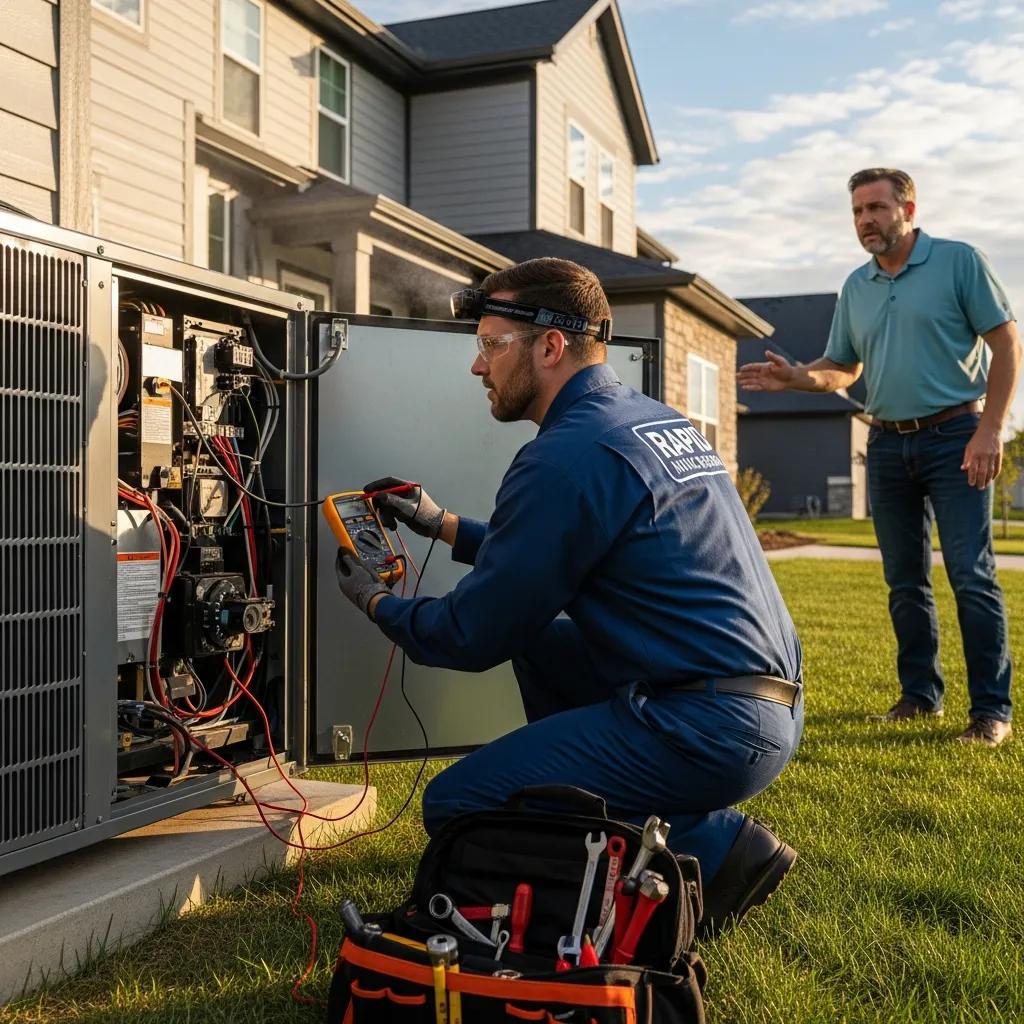
Call for emergency HVAC service whenever a failure creates a safety risk, an immediate health hazard, or leaves occupants without heating or cooling during extreme temperatures. Emergency signs include smoke or burning smells, suspected gas leaks, carbon monoxide alarms, electrical sparking, or a complete loss of heat in winter or cooling in hot summer weather. Fast response reduces safety risks and prevents secondary damage. Knowing the difference between an emergency and a standard repair helps you avoid unnecessary emergency fees and ensures true hazards get priority treatment.
- Smoke or burning smell: Suggests electrical or combustion trouble — call emergency service right away.
- Gas odor or suspected leak: Evacuate and contact emergency responders before calling HVAC service.
- Carbon monoxide alarm activation: Treat as an immediate emergency and seek professional help.
- Complete system shutdown during extreme temperatures: Emergency repair is recommended to protect health and property.
This checklist highlights high-priority signs so homeowners can act quickly and safely.
What Defines an HVAC Emergency?
An HVAC emergency is any issue that poses an immediate risk to people, property or health — or a failure that can’t wait without serious consequences. Typical emergencies include combustion or electrical hazards, suspected refrigerant or gas leaks, and total system failures during extreme heat or cold. The key factor is immediacy: a problem that must be addressed before normal scheduling is possible. Clear definitions let dispatchers route the right technician and tools faster and help homeowners provide accurate information for quicker service.
- Safety signs like smoke, burning odors or electrical sparking require immediate attention.
- Loss of heating during freezing conditions or cooling during extreme heat may qualify as emergencies.
- Refrigerant leaks or suspected carbon monoxide issues are emergencies because of health risks.
Knowing what counts as an emergency helps you give dispatchers the right details and get faster, safer assistance.
How Does Top Rank Provide 24/7 Emergency HVAC Service?
Top Rank Heating and Air Conditioning, Inc. offers 24/7 emergency service with priority dispatch for urgent HVAC failures in Sacramento and nearby areas. Their emergency process begins with triage over the phone to assess safety, sends the right technician and tools, and focuses on safety-first diagnostics on arrival. Technicians make temporary stabilization repairs when needed to secure the home, then provide a clear follow-up plan and straightforward emergency pricing. This approach restores safe operation quickly and outlines the next steps for permanent repairs.
- Triage and dispatch: Quick phone triage to assess risks and dispatch the correct resources.
- On-site safety diagnosis: Immediate checks for smoke, gas, electrical hazards and system stability.
- Temporary stabilization and clear follow-up: Make safe temporary fixes and present a transparent plan for full repair.
This safety-first workflow reduces risk and guides homeowners from urgent stabilization to long-term solutions.
How Can Regular HVAC Maintenance Save You Money Long-Term?
Regular HVAC maintenance lowers repair frequency, improves efficiency and extends equipment life — producing measurable long-term savings. Routine tasks like changing filters, cleaning coils, checking refrigerant, calibrating controls and running safety inspections catch small issues before they become costly failures and help preserve manufacturer warranties. Better efficiency from maintenance reduces energy bills and often offsets the cost of tune-ups over time. Maintenance programs also help you avoid peak-season emergency rates and shorten response times when issues arise. Together, these benefits make indoor air quality a core cost-control strategy.
- Reduced breakdowns: Small issues found early prevent expensive component failures.
- Improved efficiency: Well-maintained systems use less energy, lowering utility bills.
- Extended equipment life: Regular care delays replacement and spreads capital costs over more years.
These financial advantages show why a maintenance plan is a smart investment for homeowners.
What Are the Benefits of Joining the VIP Comfort Club?
The VIP Comfort Club bundles priority scheduling, seasonal tune-ups and repair discounts to lower the total cost of owning an HVAC system. Members get seasonal inspections, filter reminders, priority dispatch during busy periods and reduced pricing on many repairs. For many homes, avoided emergency visits and improved system efficiency can offset membership fees within a year or two. Enrollment is simple and the terms make clear what’s included and what’s discounted so there are no surprises.
- Priority scheduling: Faster service during high-demand times.
- Discounted repairs: Lower labor and parts pricing for many common fixes.
- Routine tune-ups: Seasonal inspections reduce the chance of sudden failures.
Membership makes maintenance predictable and more affordable, which helps prevent costly repairs down the road.
How Does Preventative Maintenance Reduce Repair Costs?
Preventative maintenance reduces repair costs by catching wear points, cleaning critical components and recalibrating controls before small faults become major failures. Replacing clogged filters, for example, prevents compressor strain that can lead to a costly replacement. Coil cleaning improves heat transfer and reduces overheating or freezing that causes major repairs. Scheduled refrigerant checks find leaks early when they’re cheaper to fix, and electrical inspections catch failing capacitors or relays before they burn out motors. These routine actions are inexpensive compared with major component replacement and help keep systems efficient.
- Filter and airflow maintenance: Prevents compressor strain and extends system life.
- Coil and refrigerant checks: Maintain efficiency and avoid expensive major repairs.
- Electrical inspections: Spot failing parts early to prevent motor or control board failures.
Routine maintenance is an investment that lowers both how often and how severe repairs will be.
How to Decide Between HVAC Repair and Replacement in Sacramento?
Choosing repair or replacement means comparing repair cost to replacement cost, factoring in unit age and remaining life, and including energy-efficiency gains from new equipment. A common rule of thumb: consider replacement if a repair costs more than roughly 50% of a new system for units older than 10 years, or if multiple major repairs are likely. Energy savings from modern systems also affect lifecycle cost. A clear decision matrix — age, repair history, repair cost and projected energy savings — makes the choice easier and more financially sound.
| Scenario | Attribute (Age / Repair Cost / New System Cost) | Decision Guidance |
|---|---|---|
| Older unit, high repair cost | >10-15 years / Repair cost >50% of new system | Favor replacement for long-term savings |
| Mid-age unit, moderate cost | 5-10 years / Repair cost <50% of new system | Repair if efficiency is acceptable |
| Newer unit, repeated failures | <5 years / Multiple failures | Repair if under warranty; otherwise evaluate defects |
Use this table as a straightforward, threshold-based guide when weighing repair against replacement.
What Are the Cost-Benefit Considerations for Repair vs. Replace?
Compare immediate repair expense, remaining useful life, expected energy savings from a new air conditioning system and the likelihood of future repairs. Repair usually makes sense when the unit is fairly new and repair costs are a small portion of replacement. Replacement becomes attractive when repair costs approach half the price of a new system or when an old unit’s efficiency has declined. Calculating lifecycle cost — purchase plus projected energy and repair expenses over remaining years — gives a rational basis for the decision. Local energy prices and typical replacement costs can provide concrete examples to see when replacement saves money.
- Repair if cost is much less than replacement and the unit likely has many serviceable years left.
- Replace if repair cost is high relative to new-system cost and the unit is past its prime.
- Include energy savings from modern, efficient systems when calculating lifecycle costs.
Framing the choice this way helps homeowners pick the economically sensible option and spot when upgrading is the better long-term value.
What Signs Indicate You Need a New HVAC System?
Signs that replacement is the better path include frequent, increasingly expensive repairs, steady drops in efficiency and rising energy bills, uneven comfort in the home, or use of refrigerants that are obsolete and costly to service. Age is a strong indicator — units over 10–15 years often face declining reliability and efficiency. Other triggers include a major component failure where repair cost nears new-system pricing, or when a system can’t meet comfort needs despite repeated repairs. Spotting these signs early helps you plan replacement on your schedule and avoid emergency-driven purchases.
- Frequent, costly repairs suggest the repair-investment return is shrinking.
- Rising energy bills despite maintenance point to efficiency loss.
- Obsolete refrigerants or hard-to-find parts often mean replacement is more practical than repair.
Recognizing these signals lets homeowners plan ahead and take advantage of better pricing and scheduling for a replacement.
Frequently Asked Questions
What should I do if my HVAC system is making unusual noises?
Unusual noises like grinding, squealing or banging can mean loose parts, worn bearings or failing components. First check the air filter — a clogged filter can cause strain and odd sounds. If noises continue, turn off the system if you smell burning or see smoke, and contact a qualified HVAC technician. Prompt inspection prevents small problems from turning into costly repairs.
How can I improve the efficiency of my HVAC system?
Start with regular maintenance: change air filters, clean coils and schedule professional tune‑ups. Seal duct leaks, add insulation where needed, and use a programmable or smart thermostat to match comfort with your schedule. When the system is old, upgrading to modern, energy‑efficient equipment can produce significant, lasting savings.
What are the benefits of regular HVAC maintenance?
Regular maintenance improves efficiency, reduces breakdowns and extends equipment life — which lowers repair and energy costs over time. Inspections catch small issues before they grow into major failures and often keep manufacturer warranties valid. In short, routine care keeps your system reliable and cheaper to operate.
How can I tell if my HVAC system needs to be replaced?
Look for frequent breakdowns, steadily rising energy bills, inconsistent heating or cooling, and systems older than 10–15 years. If repairs are costly or parts are obsolete, replacement may be the smarter financial choice. A technician can help quantify the repair versus replacement math for your specific situation.
What should I expect during an HVAC repair service visit?
A technician will perform a diagnostic inspection, identify issues affecting performance, and provide a detailed estimate that lists repairs, costs and timelines. After you approve the work, the technician will complete repairs and explain any follow-up recommendations. Professional visits focus on restoring safe operation and keeping you informed at every step.
Are there financing options available for HVAC repairs or replacements?
Yes. Many HVAC providers offer financing plans, low‑interest loans or special payment programs to spread repair or replacement costs over time. Ask about financing during your initial consultation — providers often partner with lenders to make necessary services more affordable.
Conclusion
Knowing typical costs, common services and emergency signs helps Sacramento homeowners make confident HVAC decisions. Prioritize transparent pricing and regular maintenance to lower long‑term expenses and avoid surprise breakdowns. Consider the VIP Comfort Club for priority service and savings, and contact Top Rank Heating and Air Conditioning to schedule service or to get a clear, honest estimate so your system runs reliably all year.