Unusual air conditioner noises signal specific mechanical failures requiring prompt attention. High-pitched squealing indicates fan motor or belt issues, while banging suggests loose components, and hissing points to refrigerant leaks. Top Rank Heating & Air Conditioning, Inc. provides expert diagnosis and repair services throughout Greater Sacramento and Central Valley, ensuring systems operate safely and efficiently.
Key Takeaways
High-pitched squealing points to a failing fan motor or blower fan, requiring prompt diagnosis.
Banging noises indicate loose or broken internal components rattling within the air conditioner unit.
Hissing sounds signal a refrigerant leak or internal pressure problem that reduces cooling capacity.
Rattling commonly results from loose panels, debris in the outdoor unit, or a failing fan blade.
What Does That AC Noise Mean?
Strange air conditioner noises signal early trouble inside an HVAC system. These sounds point to specific mechanical or airflow problems that demand attention before they escalate into costly failures.
Homeowners who ignore unusual sounds risk complete system breakdowns during Sacramento’s hottest months. A noise that starts as a minor annoyance often reveals loose components, clogged filters, or debris interfering with normal operation. Each sound type provides a diagnostic clue about what is struggling, damaged, or beginning to fail within the unit.
What Are the Most Common AC Noises and Their Causes?
Different noises indicate distinct problems. A banging or clanking sound typically means a loose or broken part inside the compressor. High-pitched squealing points to belt issues or motor bearing failure. Buzzing often signals electrical problems, while hissing suggests refrigerant leaks. Rattling usually means debris or loose panels. Clicking that repeats during startup cycles indicates a failing relay or electrical component.
Why Is My Air Conditioner Making Strange Noises During Operation? The answer lies in the specific sound pattern. Loud noises from an air conditioner are unsettling, but they give clear clues about what is wrong. Loose parts, clogged filters, and debris account for many common noise complaints. Identifying the noise type helps homeowners understand whether a simple filter change resolves the issue or whether professional diagnosis is necessary.
When Should a Homeowner Call for Professional AC Repair?
Any noise that persists beyond startup or grows louder over time requires professional evaluation. Homeowners in Galt and surrounding areas benefit from identifying common AC issues early, before minor sounds become major repairs. Top Rank Heating & Air Conditioning, Inc. specializes in HVAC maintenance, repairs, and replacement for residential systems. The company offers emergency HVAC services for urgent situations where strange noises accompany performance loss or unusual odors. Trained technicians diagnose the exact cause and restore quiet, reliable cooling without guesswork.
Strange air conditioner noises signal specific mechanical or electrical faults inside the system. A high-pitched squealing noise often points to a failing fan motor or blower fan, while a banging noise indicates loose or broken components rattling within the unit. Homeowners who ignore these sounds risk complete system failure during Sacramento’s peak summer heat. Top Rank Heating & Air Conditioning Inc. diagnoses these issues before they escalate into costly replacements.
What does a buzzing noise from an AC unit mean?
A buzzing noise typically signals an electrical fault or debris obstructing the condenser fan. Loose wiring, a failing relay switch, or a malfunctioning compressor can produce this sound. Top Rank Heating & Air Conditioning Inc. technicians isolate the source quickly, preventing potential fire hazards or motor burnout.
What causes a hissing sound in an air conditioner?
A hissing sound often indicates a refrigerant leak or internal pressure problem. Escaping refrigerant reduces cooling capacity and damages the compressor over time. Professional repair stops the leak and restores proper charge levels. Homeowners in Galt, CA, can reference a guide on identifying common signs that your AC needs repair for additional warning indicators.
Why does my outdoor AC unit make a rattling noise?
A rattling noise commonly results from loose panels, debris trapped in the outdoor unit, or a failing fan blade. Tightening fasteners and clearing obstructions resolves minor cases. Persistent rattling suggests internal component wear requiring immediate attention.
The table below summarizes common AC noises and their likely causes:
Noise Type | Likely Cause |
|---|---|
High-pitched squealing | Failing fan motor or blower fan |
Banging | Loose or broken internal components |
Buzzing | Electrical fault or condenser fan debris |
Hissing | Refrigerant leak or pressure issue |
Rattling | Loose panels or outdoor unit debris |
Top Rank Heating & Air Conditioning Inc. provides same-day diagnostics across the Greater Sacramento and Central Valley regions. Certified technicians service all brands and models, restoring quiet operation and reliable cooling. Delaying repairs turns minor noises into major system failures.
How to Identify the Source of the Noise?
Pinpointing the origin of an air conditioner’s strange sound is the critical first step toward a correct diagnosis. The location of the noise provides immediate clues about which component is failing. A homeowner’s careful observation often determines whether the issue is a simple fix or a serious mechanical breakdown.
Where Is the Sound Coming From?
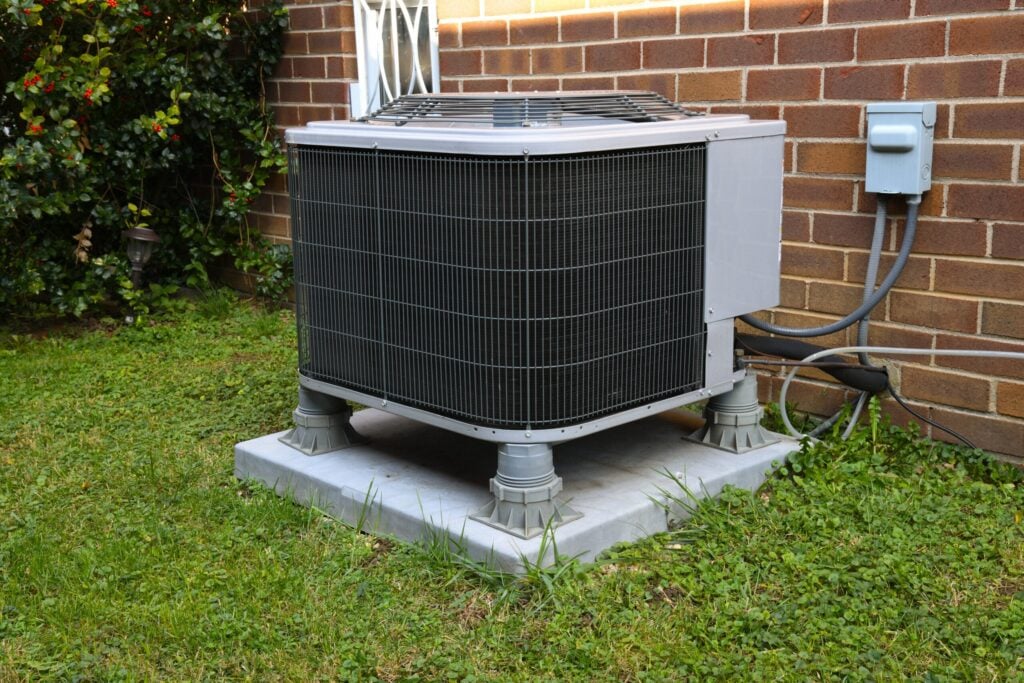
Listen for whether the noise originates from the indoor air handler or the outdoor condenser unit. Sounds from the outdoor unit often point to debris, a failing fan motor, or compressor trouble. Noises inside the home typically involve the blower fan or airflow restrictions. This distinction helps a technician arrive prepared with the right diagnostic approach.
What Should a Homeowner Check First?
A visual inspection of the outdoor condenser unit reveals common culprits. Leaves, twigs, and dirt lodged against the coils or fan blades create rattling and scraping sounds. Removing visible debris from around the unit often silences the noise immediately. The indoor air filter demands equal attention. A clogged filter chokes airflow, forcing the blower motor to strain and produce whistling or thumping sounds. Replacing a dirty filter restores proper air movement and eliminates many airflow-related noises.
Top Rank Heating & Air Conditioning, Inc. technicians service all brands and models of air conditioning systems. The company’s diagnostic process begins with these same foundational checks before moving to internal component inspection. Professional evaluation remains essential when basic troubleshooting does not resolve the sound.
When Should You Shut Down the Unit?
A loud banging or grinding noise demands an immediate system shutdown. These sounds signal severe internal damage that worsens with every second of operation. Homeowners who delay risk turning a repairable component failure into a full system replacement.
What Does a Grinding Noise Mean for the Compressor?
A grinding sound often points to failing compressor bearings or motor components. Continued operation under these conditions destroys the compressor entirely. Only a trained professional can accurately diagnose the cause of any sounds an AC makes, ensuring everything is working as it should.
Is a Hissing Sound Dangerous to Ignore?
A hissing noise frequently indicates a refrigerant leak escaping from the pressurized lines. Refrigerant exposure poses health risks and reduces cooling capacity to zero. This situation requires professional attention before the system can operate safely again.
Top Rank Heating & Air Conditioning, Inc. provides 24/7 emergency HVAC services for these urgent scenarios. The company dispatches technicians who isolate the fault and prevent secondary damage. Shutting down the unit at the first sign of mechanical distress protects both the equipment and the household.
Homeowners should follow these steps when strange noises during operation occur:
Turn the thermostat to the “off” position immediately.
Switch the AC circuit breaker to “off” at the electrical panel.
Contact a licensed HVAC contractor for an emergency diagnostic visit.
Loud noises from an air conditioner provide clues about internal failures. Loose parts, clogged filters, or debris cause some sounds. Banging and grinding, however, indicate catastrophic mechanical contact that no homeowner should ignore. Top Rank Heating & Air Conditioning responds to these calls at any hour, restoring safety and comfort without delay.
What Are Common Mistakes to Avoid?
Homeowners often overlook early warning signs from a cooling system. Strange air conditioner noises signal that something inside the HVAC system is struggling, loose, damaged, or beginning to fail. Ignoring these sounds invites major cooling system failures. A homeowner who delays action risks a complete compressor breakdown during peak summer heat.
Why Is Ignoring AC Noises So Risky?
Strange air conditioner noises are often early warning signs. A buzzing sound might point to electrical trouble. A hiss could mean refrigerant is escaping. Left unchecked, these small problems grow into expensive disasters. The system works harder and parts wear faster. What starts as a loose fan blade ends as a shattered motor assembly.
Can DIY Repairs Make the Problem Worse?
Attempting DIY repairs on refrigerant lines or electrical components is dangerous. Some sounds point to minor airflow issues. Others indicate serious problems involving the compressor, blower motor, refrigerant lines, or electrical components. A homeowner without proper training risks injury and further damage. Top Rank Heating & Air Conditioning, Inc. provides licensed professionals who diagnose these issues safely. The company’s approach is based on honesty, affordability, and a satisfaction guarantee.
How Does Skipping Maintenance Lead to Noises?
Scheduling regular maintenance prevents many noise-related issues. Top Rank Heating & Air Conditioning, Inc. specializes in HVAC maintenance, repairs, replacement, and new residential and light commercial construction. A neglected system develops loose parts and clogged filters. These conditions create rattling, squealing, and grinding sounds. Routine inspections catch wear before it becomes audible trouble.
FAQ
What does a high-pitched squealing noise from my AC mean?
A high-pitched squealing noise points to a failing fan motor or blower fan, requiring prompt diagnosis.
What causes a banging noise in my air conditioner?
A banging noise indicates loose or broken internal components rattling within the air conditioner unit.
When should I call for professional AC repair?
Call for professional repair when any noise persists beyond startup or grows louder over time.
Conclusion
Strange air conditioner noises demand a homeowner’s immediate attention rather than delay. Identifying the sound’s origin and shutting down the unit at the first sign of grinding or banging protects the system from catastrophic failure. Professional diagnosis remains the only safe course for refrigerant hisses or electrical buzzing. Acting quickly on these warning signs preserves equipment life and prevents a minor repair from escalating into a full system replacement.